Root Canal Treatment: Separating Fact from Fiction
Few dental terms elicit more anxiety than “root canal treatment.” Yet for many patients who have undergone the procedure, the reality is quite different from the feared reputation. Root canal treatment — also called endodontic treatment — is a common dental procedure aimed at relieving pain and saving a tooth that might otherwise need to be extracted. At Jolique, we take care to ensure patients feel informed and comfortable throughout every stage of treatment.
What Is Root Canal Treatment?
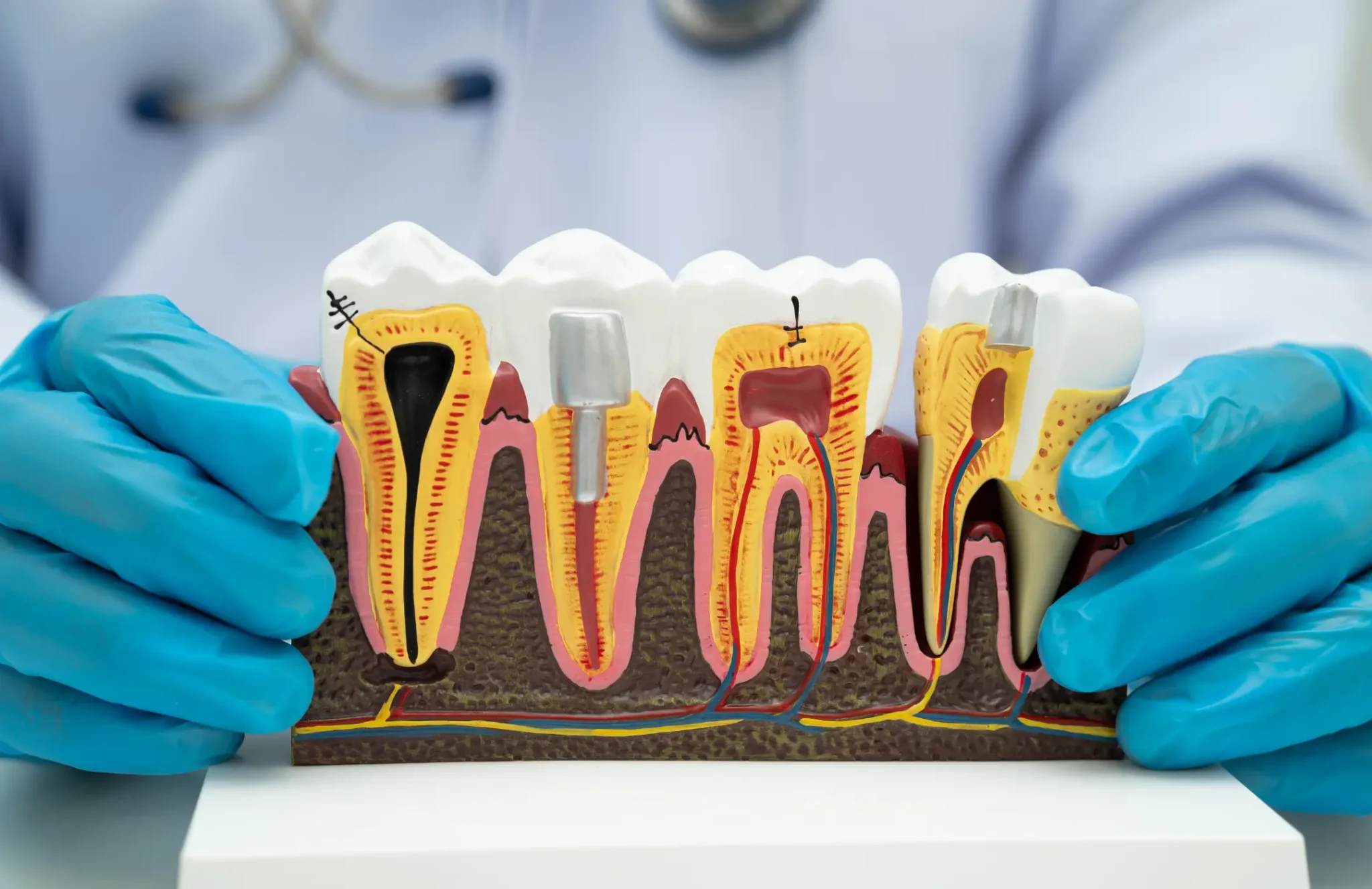
Inside each tooth is a space called the pulp chamber, which contains nerves, blood vessels, and connective tissue. When this pulp becomes inflamed or infected — due to deep decay, a cracked tooth, repeated dental procedures on the same tooth, or trauma — it can cause significant pain and, if left untreated, may lead to an abscess or the spread of infection.
Root canal treatment involves removing the damaged or infected pulp, carefully cleaning and shaping the root canals inside the tooth, and then filling and sealing the space to prevent reinfection. In most cases, the tooth is then restored with a crown to protect it and restore full function.
Signs You Might Need Root Canal Treatment
Not all pulp problems cause obvious symptoms, which is why regular dental check-ups are important. However, some signs that may indicate the need for assessment include:
- Persistent or severe toothache, particularly when biting or applying pressure
- Prolonged sensitivity to hot or cold temperatures that lingers after the stimulus is removed
- Darkening or discolouration of the tooth
- Swelling, tenderness, or a pimple-like bump on the gum near the tooth
- A cracked or chipped tooth that is causing pain
These symptoms do not always indicate the need for root canal treatment, and a thorough clinical examination and X-rays are necessary for an accurate diagnosis.
What to Expect During the Procedure
Root canal treatment is typically performed under local anaesthesia, meaning the area around the tooth is numbed before and during the procedure. Most patients report feeling pressure but not pain during treatment.
The procedure generally involves:
- Placing a rubber dam (a small sheet of rubber) around the tooth to isolate it and maintain a clean environment
- Making a small opening in the top of the tooth to access the pulp chamber
- Removing the infected or inflamed pulp tissue
- Cleaning, shaping, and disinfecting the root canals
- Filling the canals with a biocompatible material and sealing the tooth
Depending on the complexity of the case, treatment may be completed in one or two appointments. Your dentist in Brighton will discuss the expected timeline with you.
After Treatment: Recovery and Restoration
Some mild tenderness or discomfort is normal in the days following root canal treatment, as the surrounding tissues heal. Over-the-counter pain relief taken as directed is usually sufficient to manage this. Your dentist will advise on any specific aftercare instructions.
Following treatment, a permanent restoration — most often a dental crown — is typically recommended to protect the treated tooth. A tooth that has undergone root canal treatment may become more brittle over time, and a crown helps safeguard it against fracture, restoring both strength and appearance.
Saving a Tooth vs. Extraction
Wherever possible, preserving a natural tooth is generally preferable to extraction. Natural teeth play an important role in biting, chewing, speech, and maintaining the alignment of surrounding teeth. If a tooth is lost and not replaced, neighbouring teeth may shift over time, and bone loss in the jaw can occur. Root canal treatment, when appropriate, offers a pathway to retaining the natural tooth.
That said, there are situations where extraction is the more appropriate clinical decision. Your dentist will provide a thorough assessment and discuss all available options so you can make an informed choice about your care.
A Note on Modern Endodontics
Advances in dental techniques, instruments, and anaesthesia have improved the experience of root canal treatment significantly. Rotary instruments, digital imaging, and improved irrigants all contribute to more precise, efficient, and comfortable treatment. Many patients are pleasantly surprised to find that the procedure is far more manageable than they expected.