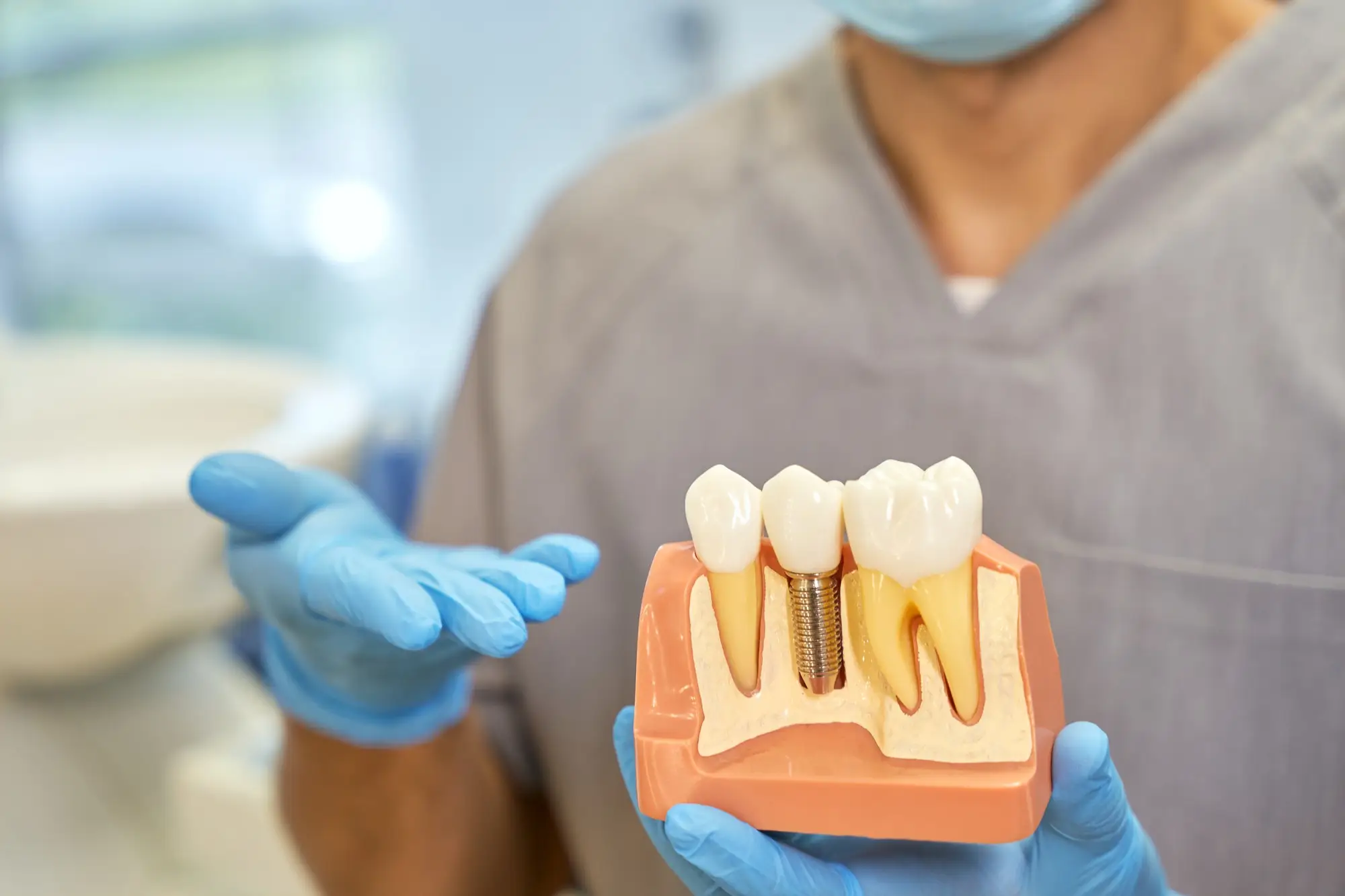
Dental Implants: A Long-Term Option for Tooth Replacement
Losing a tooth — whether through decay, injury, gum disease, or other causes — can affect more than just the appearance of your smile. It can impact your ability to chew comfortably, alter your speech, and over time contribute to changes in jaw bone density and the position of neighbouring teeth. Dental implants are one of the available options for replacing missing teeth in a way that closely resembles natural dentition in both function and aesthetics.
At Jolique in Brighton, Melbourne, dental implant treatment is provided with careful planning, precision, and thorough patient education throughout the process.
What Is a Dental Implant?
A dental implant is a small titanium post that is surgically placed into the jawbone in the position of a missing tooth root. Over a period of weeks to months, the implant integrates with the surrounding bone in a process called osseointegration. Once this integration is complete, a custom-made crown, bridge, or other prosthetic tooth is attached to the implant, creating a stable and functional replacement tooth.
A typical dental implant restoration consists of three components:
- The implant fixture: the titanium post placed in the jaw
- The abutment: a connector piece that links the implant to the crown
- The crown: the visible tooth-like restoration that sits above the gum line
Who May Be Suitable for Dental Implants?
Dental implants are not suitable for everyone. A comprehensive assessment is required to evaluate whether implant placement is appropriate for an individual patient. Factors considered include:
- Adequate bone volume and density in the jaw to support an implant
- Healthy gum tissues
- Overall general health, including any conditions or medications that may affect healing
- Smoking status, as smoking is associated with higher rates of implant complications
- Commitment to ongoing oral hygiene and maintenance
In some cases, additional preparatory procedures — such as bone grafting or gum treatment — may be recommended prior to implant placement. Your dentist will discuss the full picture with you during your consultation.
The Dental Implant Process
Dental implant treatment is generally carried out in stages over several months. A typical treatment sequence includes:
- Initial consultation and assessment, including clinical examination, X-rays or 3D scans, and discussion of treatment options
- Surgical placement of the implant fixture into the jawbone, usually performed under local anaesthesia
- A healing period (osseointegration) during which the implant fuses with the bone — this typically takes three to six months
- Placement of the abutment and taking impressions or digital scans for the crown fabrication
- Attachment of the final restoration
The timeline varies depending on the patient’s healing response, whether preparatory procedures are required, and the number of implants being placed. Your treating team will provide a more specific estimate based on your individual case.
Single Implants, Multiple Implants, and All-on-4
Implants can be used to replace a single missing tooth, multiple teeth, or an entire arch of teeth. For patients who have lost all or most teeth in one or both jaws, full-arch implant solutions — sometimes referred to as All-on-4 or implant-supported dentures — offer an alternative to traditional removable dentures. These solutions use a smaller number of implants (typically four to six per arch) to support a fixed prosthetic arch of teeth.
Each scenario has different clinical requirements, and the appropriate solution will be determined through thorough assessment and discussion with your dentist.
Caring for Dental Implants
Dental implants require the same level of oral hygiene care as natural teeth — or more, in some cases. Regular brushing, interdental cleaning, and routine dental check-ups are essential to maintaining the health of the implant, surrounding gum tissue, and bone. Implant maintenance visits allow your dental team to assess for early signs of peri-implantitis (inflammation around the implant) and address concerns before they progress.
Considerations When Exploring Implants
Dental implants are a significant investment, and it is important to approach the decision with full information. Not all patients will be suitable candidates, and success rates, while generally high in published literature, can vary depending on individual factors. Your dentist should provide transparent information about the expected process, potential risks, alternatives, and fees before you proceed.
Other tooth replacement options — such as dental bridges or partial dentures — may also be appropriate depending on your circumstances, and these should be considered as part of a balanced discussion.