
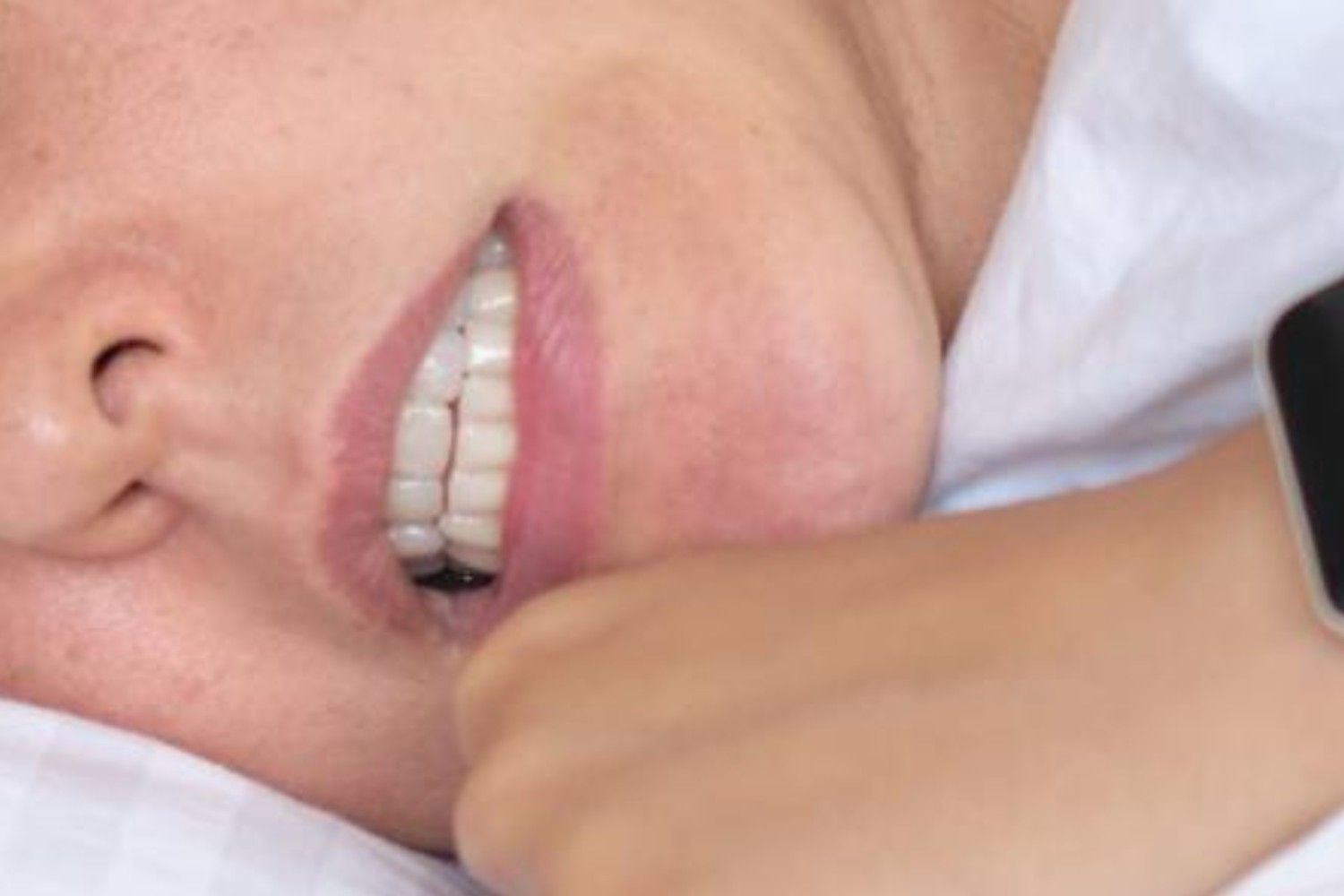
Your partner mentions that you grind your teeth in your sleep. You wake with a tight, tired jaw or a dull headache that sits around your temples. Your front teeth look a little shorter than they used to, and the edges are flat where they should be slightly rounded. Maybe a tooth has chipped, or your teeth feel more sensitive lately. On their own, none of these seems urgent. Together, they often point to one thing: your teeth are wearing down, frequently from grinding or clenching that you may not even realise you are doing.
Most grinding happens at night, which is why so many people have no idea they do it. You only notice the aftermath in your jaw, your teeth, and sometimes your sleep. Spotting the pattern early matters because enamel does not come back once it is gone.
What Causes Grinding and Clenching?
Grinding, known as bruxism, does not have a single cause, and often it is a mix of things. Common contributors include:
- Stress and tension, which many people carry into their sleep.
- Sleep disturbances and certain sleep patterns.
- A bite where the teeth do not meet evenly.
- Some lifestyle factors, such as caffeine or alcohol, that can affect sleep.
- Because the causes vary, the most useful first step is simply to have it assessed, so the approach can be matched to what is actually driving it for you.
It Is Not Only About Your Teeth
Grinding and clenching do not stop at the teeth. The same forces work your jaw muscles and joints hard, often through the night, and your body feels it the next day. That is why so many people who grind also notice morning headaches, aching cheeks or temples, and a jaw that feels tight or tired. Some find that their jaw clicks or feels stiff. Poor or broken sleep can play into it too, both as a cause and a consequence. Treating the grinding, then, is not only about saving enamel. It can also ease the aches and tension that have quietly become part of your mornings, which is often the change people notice first.
Signs You Might Be Grinding
Because it mostly happens while you sleep, grinding is easy to miss until the clues add up. You might recognise a few of these:
- Waking with a sore or tired jaw, or a dull headache around the temples.
- Teeth that look shorter, flatter, or more worn at the edges than they used to.
- Increased sensitivity to hot, cold, or sweet things.
- Small chips or cracks are appearing on your teeth.
- A partner mentions a grinding sound at night.
- Any one of these on its own may mean little. Several together are worth mentioning to your dentist in Brighton, VIC, who can confirm whether grinding is the likely cause.
Why Worn Teeth Are Worth Taking Seriously
Tooth wear is slow and sneaky, which is why it is so easy to overlook. But the effects build steadily:
- Enamel does not grow back, so once it wears away, it is gone for good.
- Shorter, flatter teeth can change how your teeth meet and how your smile looks.
- Worn enamel exposes the softer layer beneath, leading to sensitivity and a higher risk of decay.
- Constant clenching strains your jaw muscles and joints, which can bring on headaches and facial aches.
- Heavily worn teeth are more likely to chip, crack, or break.
How the Problem Can Be Managed
The first move is simply to have it looked at. As part of general dentistry in Brighton, VIC, during a general dental check-up, your dentist can spot the tell-tale pattern of wear, work out what is likely driving it, and explain the picture clearly. Catching it early keeps your options simpler and your treatment lighter.
Protecting What You Have
A custom-made night guard is one of the most common and least invasive ways to protect your teeth from grinding. Worn while you sleep, it sits between your teeth and absorbs the force that would otherwise land on your enamel. It will not stop you grinding, but it can shield your teeth from much of the damage it causes, and it is far cheaper than repairing worn teeth later. A custom guard, made to fit your mouth, is usually more comfortable and effective than an off-the-shelf one.
Easing the Strain
Because grinding is often linked to stress and sleep, addressing those can help too. This overlap with the rest is where sleep dentistry in Melbourne comes in, looking at how your sleep patterns feed into the clenching rather than treating the teeth alone.
Simple changes to your evening routine, managing tension, and being mindful of caffeine and alcohol late in the day can all make a difference. Your dentist can point you in the right direction and, where needed, suggest involving other health professionals.
Restoring What Is Worn
Where teeth are already worn or chipped, your dentist can talk through ways to rebuild them, from bonding for smaller repairs to crowns where more structure has been lost. The aim is to restore both how your teeth work and how they look, in a sequence that makes sense for you. In more advanced cases, the bite itself may need attention, which your dentist will explain carefully if it applies.
What a Night Guard Is Actually Like to Wear
People often worry that a night guard will be bulky or uncomfortable, but a custom-made one is slim and moulded to your teeth, so most people get used to it within a week or two. You pop it in before bed and rinse and clean it in the morning. It is a small habit that protects something you cannot replace, your enamel, and for many people, it also eases that morning jaw ache. Compared with the cost and effort of rebuilding worn teeth down the track, it is a simple piece of insurance.
Catching It Early Pays Off
Worn teeth are not just a cosmetic detail. They are a sign worth acting on, ideally before the wear goes deeper. A small worn area protected by a night guard is a very different situation from heavily worn teeth that need extensive rebuilding. The earlier you act, the more of your natural tooth you keep, and the simpler the path tends to be. If the signs sound familiar, a routine check-up is a low-key, sensible place to start.
Noticing the signs of grinding or wear? Book a check-up with Jolique, a dental clinic in Melbourne‘s bayside Brighton, on (03) 9647 2650, or visit jolique.
Book Your Dental Check-Up
📞 If you are experiencing a General Dentist in Melbourne, contact Jolique on (03) 9647 2650 or visit jolique.com.au We will do our best to see you as soon as possible.
Disclaimer: This article is for general informational purposes only and does not constitute dental advice. Individual outcomes vary. Please consult a qualified dental practitioner at Jolique for advice tailored to your specific oral health needs.