
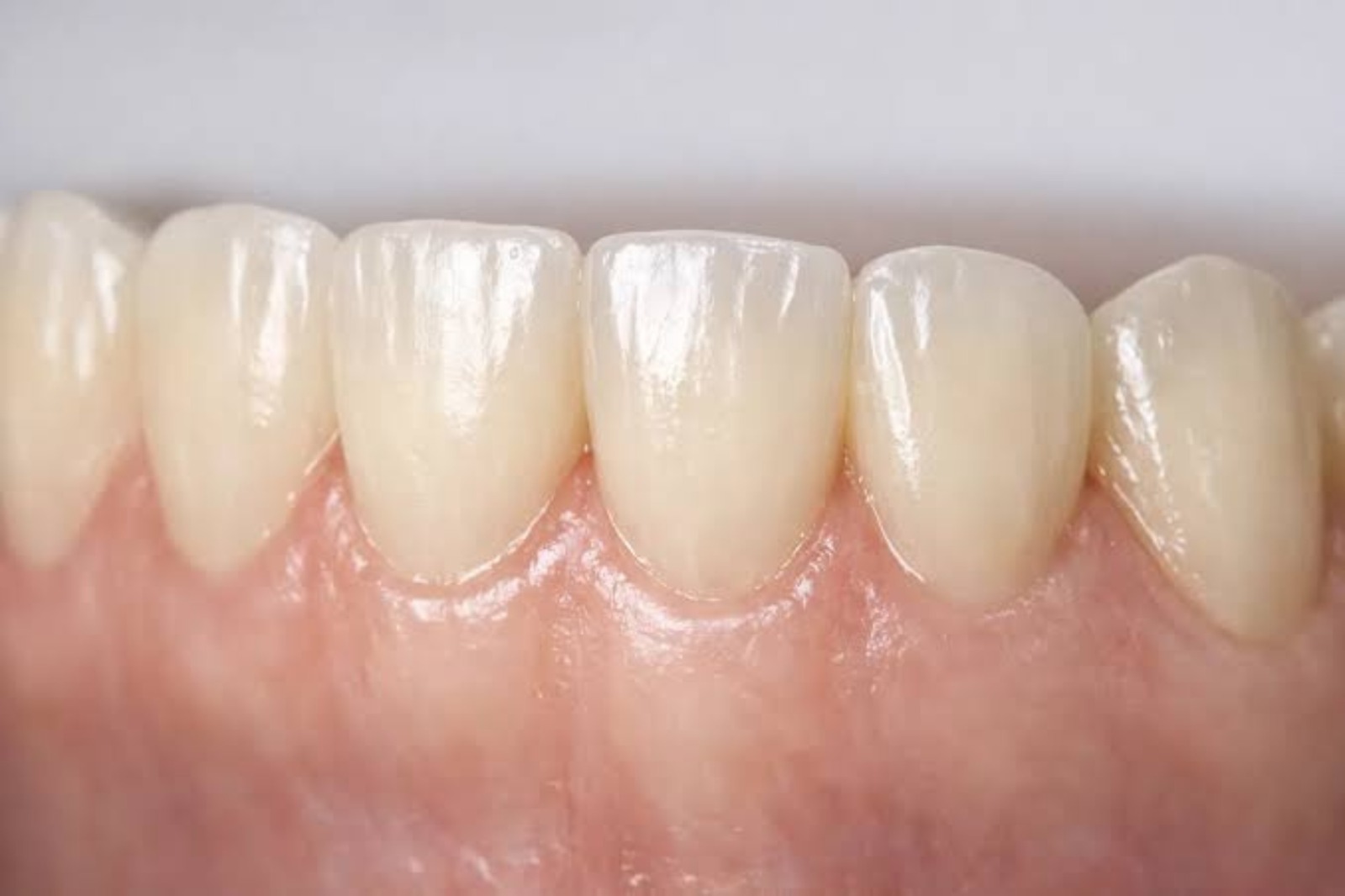
Enamel protects teeth from everyday pressure, temperature changes, and the effects of acids and bacteria. When enamel does not develop normally, teeth may appear discoloured, feel sensitive, or become more vulnerable to wear and decay. Tooth enamel defects can affect both baby teeth and permanent teeth and may become noticeable during childhood or later in life.
Understanding the type of enamel defect is an important first step. A dental assessment can help identify changes in enamel, explore possible contributing factors, and determine suitable treatment options based on the condition of the teeth.
What Are Tooth Enamel Defects?
Tooth enamel is the hard outer layer covering the visible portion of each tooth. It forms while teeth are developing, and disturbances during this process can affect the thickness, strength, colour, or appearance of enamel.
Some enamel defects are minor and mainly affect appearance, while others may make teeth more fragile or sensitive. The condition can affect one tooth, several teeth, or both primary and permanent teeth.
A consultation with a General Dentist in Melbourne can help determine whether an unusual mark, sensitivity, or damaged enamel is related to an enamel development problem or another dental condition.
Types of Tooth Enamel Defects
Enamel Hypoplasia
Enamel hypoplasia occurs when enamel does not develop to its normal thickness. It may appear as pits, grooves, lines, or areas where enamel is visibly thinner or missing.
The location of the defect can sometimes provide clues about the period when the tooth was developing. Depending on its severity, enamel hypoplasia may affect the appearance and strength of the tooth.
Enamel Opacities
Enamel opacities appear as white, cream, or yellow areas within the enamel. They may be clearly defined or spread across a larger section of the tooth.
Some opacities mainly affect appearance, while others may be associated with changes in enamel quality. A dentist can examine these areas and determine whether monitoring or treatment is appropriate.
Molar Hypomineralisation
Molar hypomineralisation is a developmental enamel defect that can affect the molars. The enamel may appear discoloured and can be softer than normal.
In some cases, affected enamel may break down after the tooth emerges into the mouth. These teeth can also be more difficult to keep clean and may be more vulnerable to decay.
Amelogenesis Imperfecta
Amelogenesis imperfecta is an inherited condition affecting enamel formation. It can involve both baby and permanent teeth.
The appearance can vary, but teeth may have abnormal colour, structure, thickness, or strength. Because the condition can affect multiple teeth, professional assessment and long-term dental care may be required.
What Can Increase the Risk of Enamel Defects?
Enamel development takes place over a long period, particularly during childhood. Several factors may influence how enamel develops.
Possible risk factors include:
- Mother’s health during pregnancy
- Premature birth
- Difficulties during birth
- Certain medications
- Childhood illnesses or infections
- Frequent or chronic childhood illness
- Nutritional deficiencies during childhood
- Trauma affecting developing teeth
The presence of a risk factor does not necessarily mean it caused an enamel defect. A dentist may consider medical, dental, and family history when assessing the teeth.
How Can Enamel Defects Affect Teeth?
The effects depend on the type and severity of the defect. Some people may have mainly cosmetic concerns, while others may experience functional problems.
Possible effects include:
- Increased tooth sensitivity
- Greater risk of enamel wear or breakage
- Increased susceptibility to decay
- Risk of infection or abscess in severely affected teeth
- Difficulty maintaining affected areas
- Concerns about tooth colour or appearance
For example, a person with sensitive enamel may find cold drinks uncomfortable, while someone with weakened enamel may experience repeated chipping or wear. Children with affected molars may also need additional preventive care to help protect vulnerable areas.
How Is a Tooth Enamel Defect Diagnosed?
A dental examination is usually the starting point. The dentist will inspect the teeth for changes in colour, shape, thickness, surface texture, and signs of wear or breakdown.
The assessment may also include X-rays when appropriate. A detailed dental and medical history can provide useful information about possible contributing factors.
The dentist may ask about:
- Family history of similar dental conditions
- Previous infections or serious illnesses
- Childhood diseases
- Dietary habits
- Oral hygiene routines
- Dental injuries
- Previous dental treatment
- Products that may stain teeth
A visit to a Dental Clinic in Melbourne can provide an opportunity to assess enamel concerns before they develop into larger problems.
Treatment Options for Tooth Enamel Defects
Treatment depends on the condition of the enamel, the affected teeth, the person’s age, and the main concern. The goal may be to protect the tooth, reduce sensitivity, improve appearance, or restore damaged structure.
Fluoride Treatment
Fluoride can help strengthen enamel and support protection against decay. Depending on individual needs, a dentist may recommend professional fluoride applications, fluoride gel, fluoride varnish, or suitable fluoride toothpaste.
Remineralising products may also be recommended in certain situations.
Composite Restorations
Direct composite restorations can be bonded to the tooth to repair areas of damaged or weakened enamel. They may help improve tooth shape, protect vulnerable areas, and address certain cosmetic concerns.
Veneers
Veneers are thin coverings bonded to the front surface of teeth. Depending on the condition of the tooth and the individual’s needs, they may be considered when enamel defects significantly affect appearance.
Veneers can be made from materials such as porcelain or composite resin. A dentist should assess whether the remaining tooth structure is suitable before recommending this approach.
Crowns
A dental crown covers a prepared tooth and can provide protection when a tooth has significant structural damage. Crowns may be considered when enamel breakdown has affected the strength or function of a tooth.
Bridges and Dental Implants
When an affected tooth cannot be maintained and needs to be removed, tooth replacement options may include a bridge or dental implant.
A bridge uses neighbouring teeth or other supporting structures to replace a missing tooth. A dental implant involves placement of an artificial tooth root into the jaw, followed by a suitable restoration.
The appropriate choice depends on the condition of the mouth and the individual’s treatment requirements.
Why Early Dental Assessment Matters
Enamel defects do not always require extensive treatment. However, regular dental assessments can help monitor changes and identify areas that may need additional protection.
This can be particularly useful for children whose permanent teeth are still developing, as well as adults who notice increasing sensitivity, unusual tooth markings, chipping, or changes in tooth structure.
For people searching for a Dentist near me, an assessment can provide clarity about whether a tooth enamel concern requires preventive care, restoration, or simply ongoing monitoring.
Understanding Treatment Costs
The cost of treating enamel defects varies according to the type of treatment required. A simple preventive approach may involve professional fluoride care or monitoring, while more extensive enamel damage may require restorative treatment.
Patients should ask the dentist about the recommended procedure, expected stages, alternatives, and estimated costs before treatment begins.
Caring for Teeth With Enamel Defects
Good daily oral care can help protect teeth affected by enamel abnormalities.
A suitable routine may include:
- Brushing twice daily with fluoride toothpaste
- Cleaning between the teeth regularly
- Limiting frequent exposure to sugary foods and drinks
- Following professional advice about fluoride or remineralising products
- Attending regular dental check-ups
- Reporting persistent sensitivity or tooth damage promptly
Children with enamel defects may benefit from closer monitoring, particularly when newly erupted permanent teeth are affected.
Also read this : Crooked Teeth? How Braces Treatment Can Help Your Smile
When Should a Dentist Be Consulted?
A dental appointment is worth considering when there are persistent white or yellow marks, unusual grooves or pits, sensitivity, repeated chipping, visible enamel loss, or concerns about the strength of a child’s newly erupted teeth.
A Brighton Dental Clinic can assess the condition of the teeth and explain the available options without assuming that every enamel defect requires the same treatment.
For patients in Brighton and Melbourne, Jolique provides dental care focused on individual needs and long-term oral health. To learn more about available dental services or arrange an assessment, visit Jolique.
A timely dental assessment can make it easier to understand what is happening to the enamel and decide whether prevention, monitoring, or restorative treatment is the most appropriate next step.
Book Your Dental Check-Up
📞 If you are experiencing a General Dentist in Melbourne, contact Jolique on (03) 9647 2650 or visit jolique.com.au We will do our best to see you as soon as possible.
Disclaimer: This article is for general informational purposes only and does not constitute dental advice. Individual outcomes vary. Please consult a qualified dental practitioner at Jolique for advice tailored to your specific oral health needs.