
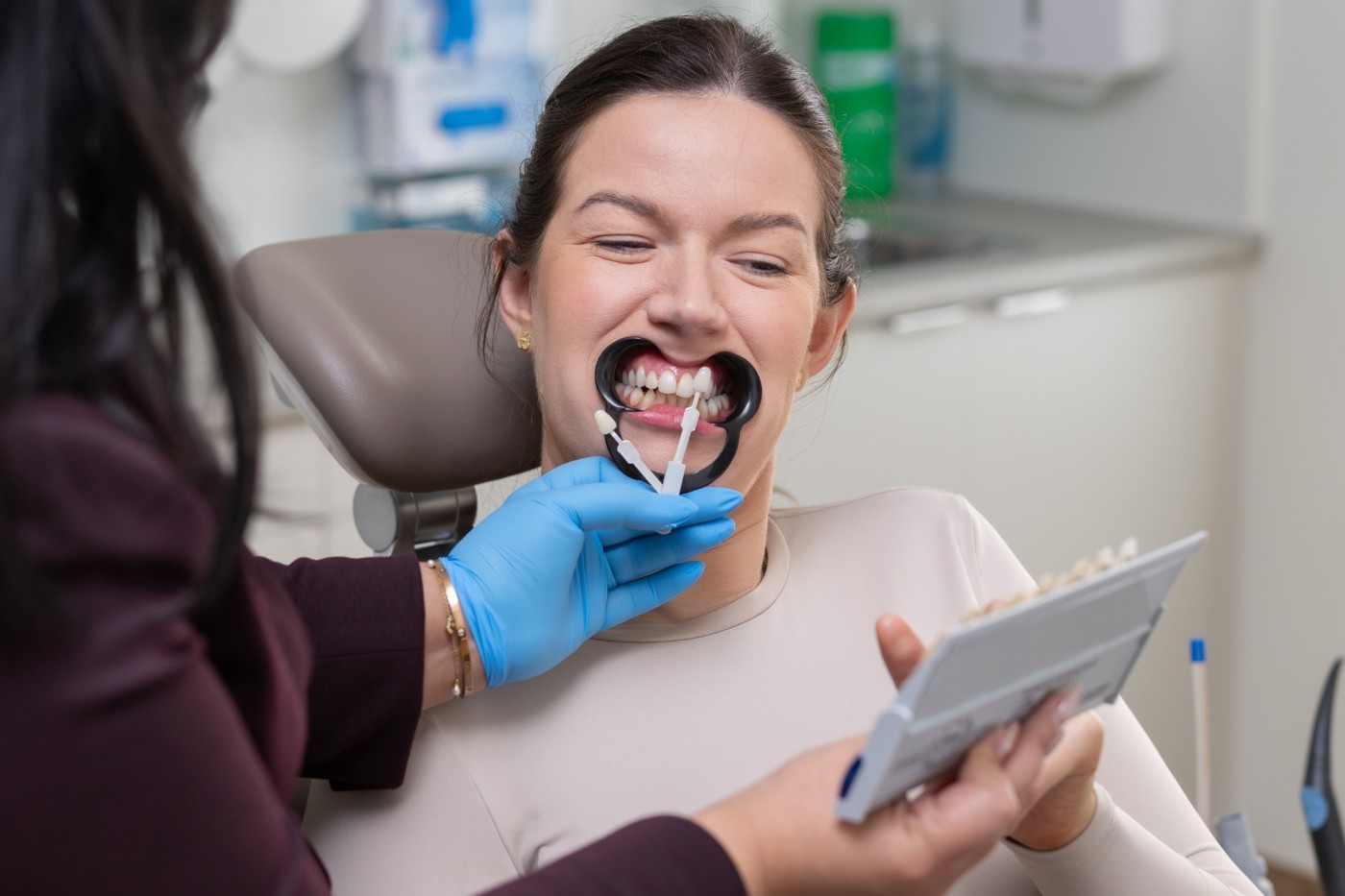
A brighter smile can improve confidence, but teeth whitening is not suitable for everyone or every type of discoloration. The right approach depends on why the teeth have changed colour, the condition of the teeth and gums, and the patient’s dental and medical history. Professional assessment by a qualified General Dentist in Melbourne helps determine whether whitening is appropriate and what results can reasonably be expected.
This guide explains how Teeth Whitening works, the professional options available, potential limitations and side effects, and why dental advice should come before starting a whitening treatment.
What Is Teeth Whitening?
Teeth Whitening uses bleaching agents to lighten the colour of natural teeth. Natural tooth colour varies from person to person, and teeth can become darker or stained due to several factors.
Common causes of tooth discolouration include:
- Age-related changes
- Coffee, tea and other staining foods and drinks
- Tobacco use
- Poor oral hygiene
- Certain medicines
- Dental problems or tooth injuries
- Thin or defective enamel
- Excess fluoride
- Existing dental restorations
Surface stains and some age-related discolouration may respond well to professional whitening. However, the cause of the discolouration needs to be assessed before treatment begins.
Why a Dental Assessment Matters
Searching for Teeth Whitening near me may bring up many treatment options, but whitening should not be approached as a one-size-fits-all procedure.
A dentist will review the patient’s dental and medical history and examine the teeth and gums. X-rays may also be recommended when necessary to identify underlying dental problems.
This assessment can help determine:
- The cause of tooth discolouration
- Whether the teeth and gums are healthy enough for whitening
- Which whitening method may be appropriate
- Whether existing restorations could affect the appearance
- What level of whitening may be realistic
- Whether sensitivity is likely to be a concern
Addressing untreated dental problems before whitening can also help make the treatment process more appropriate for the patient’s individual needs.
When Teeth Whitening May Not Be Suitable
Professional whitening is not automatically appropriate for every patient. A dentist may recommend delaying or avoiding treatment in certain situations.
Factors that may affect suitability include:
- Discolouration caused by certain medicines or fluoride
- Significant tooth sensitivity
- Defective or missing enamel
- Gum disease
- Regular tobacco use
- Dental crowns, veneers, implants or fillings
- Developing permanent teeth in younger patients
- Pregnancy or breastfeeding
Existing dental restorations are particularly important to consider because whitening products generally affect natural tooth structure differently from materials used in crowns, veneers and fillings.
A consultation with a Dentist in Melbourne can help clarify whether whitening is suitable or whether another cosmetic or restorative option would be more appropriate.
Professional Teeth Whitening Options
A dental professional can recommend a whitening method based on the patient’s dental history, the cause of the staining and the degree of discolouration.
Light-Activated or Laser Whitening
During this type of professional treatment, the dentist protects the lips and gums before applying whitening gel to the tooth surfaces. A high-intensity light or laser may be used to accelerate the whitening process.
Treatment may take approximately an hour in some cases, although the required duration and number of appointments can vary according to individual needs.
The dentist may also recommend measures to help manage sensitivity or support enamel health.
Custom Whitening Trays
Custom bleaching trays are made to fit the patient’s teeth. The dentist provides whitening gel and instructions for using the trays at home.
Because the trays are customised, the dentist can explain how much product should be used, how long the trays should be worn, and how frequently treatment should be performed.
This option can be useful for patients who prefer a supervised approach that fits around their daily routine.
Internal Whitening of a Root-Filled Tooth
A tooth that has previously undergone root canal treatment can sometimes become darker than the surrounding teeth. In selected cases, internal bleaching may be considered.
The dentist accesses the tooth, removes some filling material and places a whitening product inside before temporarily sealing the tooth. Additional appointments may be required depending on the response to treatment.
What About Purple Teeth Whitening?
Purple teeth whitening products have become increasingly visible online and in retail settings. These products generally rely on colour contrast to make yellowish tones appear temporarily less noticeable rather than providing the same bleaching process as professional whitening.
Patients considering purple whitening products should understand the difference between temporary colour correction and professional bleaching. A dentist can explain which option is appropriate based on the actual cause of tooth discolouration.
Possible Side Effects of Teeth Whitening
Whitening treatments can cause temporary side effects, particularly in patients with sensitive teeth or existing dental concerns.
Possible effects include:
- Tooth discomfort
- Sensitivity to hot or cold foods and drinks
- Short-term sensitivity to air
- Irritated gums or inner cheeks
- Temporary white patches along the gum line
- Mouth ulcers
- Sore throat
Nausea if whitening material is accidentally swallowed
Most side effects are mild and temporary, but patients should follow the dentist’s instructions carefully. If significant or persistent discomfort develops, the dental team should be contacted.
Are Over-the-Counter Whitening Products Safe?
Whitening toothpastes and bleaching kits are widely available without professional supervision. Some products may help reduce surface stains, but their effectiveness varies.
Unsupervised or prolonged use may increase the risk of sensitivity or irritation. Patients should consider discussing over-the-counter whitening products with a Dental Clinic in Brighton VIC before using them, particularly if they already have sensitive teeth, gum problems, enamel defects or extensive dental restorations.
How Much Does Teeth Whitening Cost?
The cost of professional whitening depends on the treatment method, the number of appointments and the patient’s individual requirements.
Patients considering teeth whitening in Melbourne should discuss the total treatment cost with their dentist before beginning. A consultation can also clarify whether additional treatments may be required before or alongside whitening.
Maintaining a Brighter Smile
Following professional whitening, everyday habits can influence how long the teeth maintain their appearance.
Patients can support their oral health by:
- Brushing twice daily with fluoride toothpaste
- Cleaning between the teeth regularly
- Limiting frequent consumption of strongly staining foods and drinks
- Avoiding tobacco products
- Maintaining regular dental examinations
- Following any post-treatment instructions provided by the dentist
Whitening is primarily a cosmetic treatment, so maintaining healthy teeth and gums remains an important part of achieving and maintaining an attractive smile.
Also read this: Cosmetic Dentistry: Understanding Your Options for Smile Enhancement
Choose Professional Teeth Whitening in Melbourne
A brighter smile begins with understanding the reason behind tooth discolouration rather than simply choosing the strongest available whitening product. Professional assessment allows patients to understand their options, limitations, expected treatment process and potential side effects.
For patients searching for Teeth Whitening near me, a General Dentist in Melbourne, or a dental clinic serving Brighton and surrounding suburbs, Jolique provides dental care focused on individual patient needs.
Patients can visit Jolique to learn more about professional whitening and arrange a consultation. Contact the dental team today to discuss whether professional Teeth Whitening is suitable for the smile and oral health needs of the individual.
Book Your Dental Check-Up
📞 If you are experiencing a Teeth Whitening in Melbourne, contact Jolique on (03) 9647 2650 or visit jolique.com.au We will do our best to see you as soon as possible.
Disclaimer: This article is for general informational purposes only and does not constitute dental advice. Individual outcomes vary. Please consult a qualified dental practitioner at Jolique for advice tailored to your specific oral health needs.