
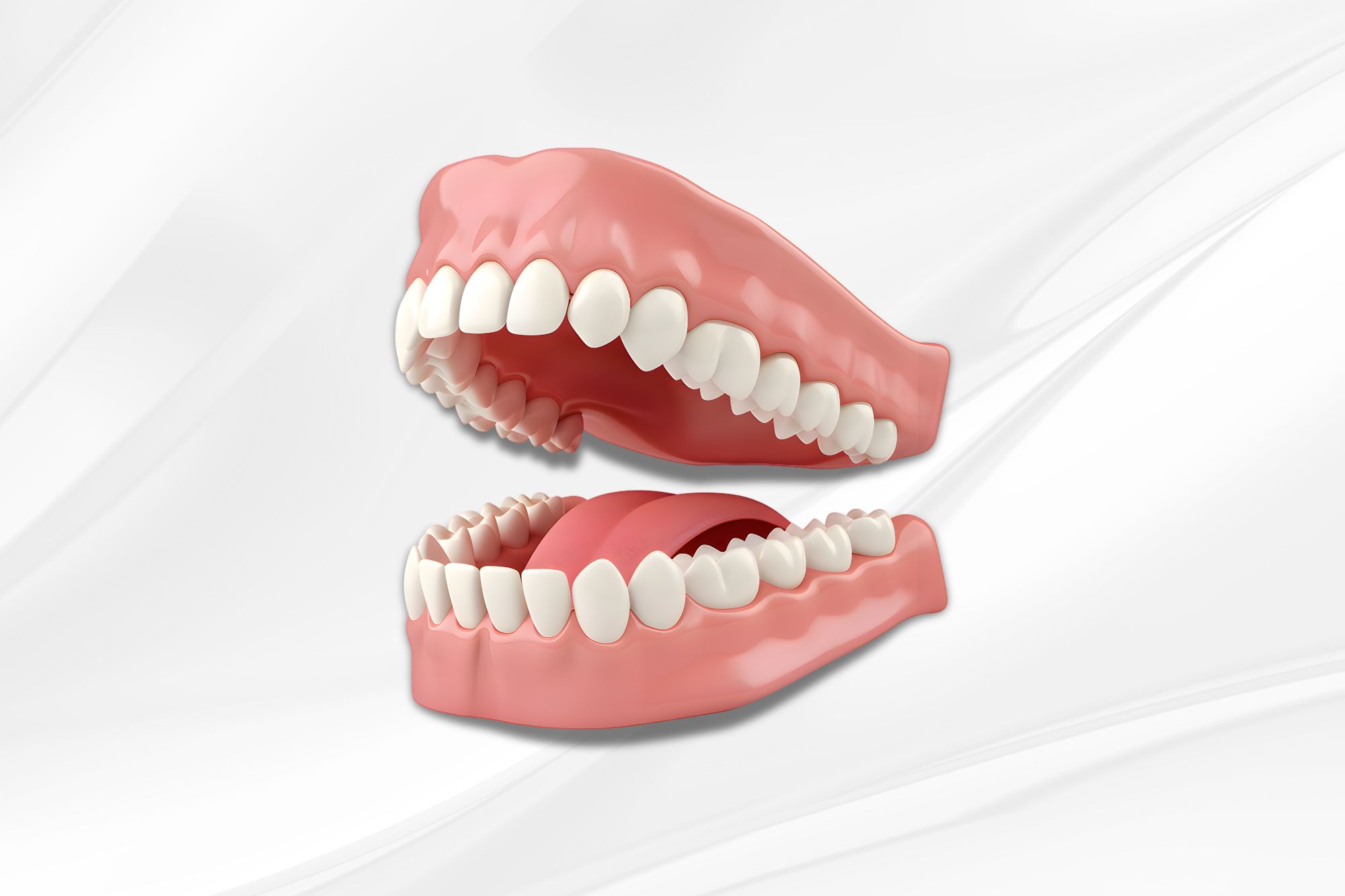
Teeth that have been worn down over years of grinding, restorations that were placed a couple of years ago and have begun to fail. Gaps left by missing teeth that have altered the bite, these are not isolated problems. For many patients these exist together, and they compound one another in ways that a single treatment cannot fully address. When multiple dental concerns are present simultaneously, a coordinated, comprehensively planned approach may be worth discussing with a qualified dental practitioner.
In this article we will explain what full mouth rehabilitation involves, when it may be a relevant consideration, which treatments may form part of a rehabilitation plan, and what patients should expect when they begin that conversation at Jolique. It is intended as a general information resource, individual treatment suitability must be assessed clinically.
What Is Full Mouth Rehabilitation?
Full mouth rehabilitation, sometimes also referred to as all on 4 dental implants or comprehensive restorative dentistry, is not a single procedure. It is a coordinated approach to addressing multiple dental concerns across the entire mouth, typically involving a combination of restorative, functional, and where appropriate, aesthetic treatments planned sequentially to achieve an improved overall oral health outcome.
The distinguishing feature of full mouth rehabilitation is that it addresses the mouth as an interconnected system, considering how teeth, gums, bite mechanics, and jaw function interact – rather than treating individual teeth in isolation. This approach may be discussed when a patient presents with several significant concerns that collectively affect their oral health, function, and daily comfort.
A Cosmetic Dentist in Melbourne or restorative dentist with experience in complex cases will conduct a comprehensive clinical assessment before any treatment is recommended -evaluating the condition of all teeth, the health of gum tissue and bone, the bite relationship, and any functional concerns such as jaw pain or difficulty chewing. Treatment recommendations are based on the findings of this assessment, not on a standardised protocol.
When Might Full Mouth Rehabilitation Be Considered?
Full mouth rehabilitation may be a relevant discussion point for patients presenting with one or more of the following clinical situations. It is not indicated for every patient with a dental concern -the extent and combination of issues present will determine whether a comprehensive treatment approach is appropriate.
Worn Teeth
Tooth wear is a progressive condition that may result from bruxism – grinding and clenching, often during sleep – prolonged exposure to acidic foods and beverages, or a combination of both. As the protective outer layer of enamel is worn away, the underlying dentine becomes exposed, which may cause sensitivity, altered tooth shape, and in more advanced cases, changes to the bite as tooth height is progressively lost.
Patients who notice that their teeth appear shorter than they previously did, that their bite feels different, or that sensitivity has increased over time are encouraged to seek assessment from a Dentist in Melbourne. Worn teeth may require protective and restorative intervention, and addressing the contributing cause – including the provision of an occlusal splint where grinding is identified -is typically part of any management plan.
Broken or Damaged Teeth
Teeth that have fractured, chipped, or broken whether through trauma, biting forces, or the failure of an existing restoration may require individual or multiple restorative treatments depending on the extent of damage. When several teeth across the mouth are broken or significantly compromised, a coordinated treatment plan that addresses all affected teeth sequentially may be more clinically appropriate than treating each in isolation without consideration of the overall bite and function.
Missing Teeth
One or more missing teeth can alter how the remaining teeth function, how forces are distributed across the bite, and how the jawbone maintains density over time. Neighbouring teeth may drift toward the gap, and the opposing tooth may over-erupt into the space. Where multiple teeth are missing – whether in one area or distributed across the arch – a rehabilitation plan may incorporate replacement options alongside treatment of remaining teeth to restore a functional and stable dental environment.
Old or Failing Restorations
Dental restorations – including fillings, crowns, bridges, and veneers – have a functional lifespan that varies depending on the material used, the forces applied, the patient’s oral hygiene, and a range of other clinical factors. When existing restorations are ageing, failing at their margins, or contributing to recurrent decay, a comprehensive assessment may identify whether individual replacement or a more coordinated restorative plan is the most appropriate approach.
Bite and Functional Concerns
The way upper and lower teeth meet the occlusion influences how forces are distributed during chewing, and how the jaw muscles and joints function. Where the bite has been altered by tooth loss, wear, or failed restorations, patients may experience symptoms including jaw discomfort, headaches, difficulty chewing, or uneven tooth wear. Addressing functional concerns is frequently an important component of comprehensive rehabilitation planning, and may require input from practitioners with specific experience in occlusal assessment.
Why Comprehensive Treatment Planning Matters
The value of full mouth rehabilitation lies not in the individual treatments it may involve, but in the planning that coordinates them. Treating a missing tooth without considering the bite, or placing new restorations without addressing underlying gum disease or wear, may produce outcomes that are less durable and less functional than those achieved through a coordinated approach.
A thorough treatment plan for complex restorative cases typically involves:
- Comprehensive clinical assessment – examination of every tooth, gum health evaluation including periodontal probing, bite assessment, and soft tissue screening.
- Diagnostic imaging – digital X-rays and, where indicated, more detailed radiographic assessment to evaluate bone levels, root health, and the condition of existing restorations.
- Sequenced treatment planning — determining which concerns require priority attention and in what order treatments should be carried out to support the best overall outcome.
- Clear discussion of options — presenting the patient with the available treatment pathways, the likely timeline, and realistic expectations for each stage, in accordance with AHPRA requirements for informed consent.
At Jolique, complex restorative cases are approached with careful, individualised planning acknowledging that no two presentations are the same and that treatment recommendations are based on thorough clinical findings rather than a standardised approach.
Treatments That May Form Part of a Rehabilitation Plan
Depending on the clinical findings and the patient’s individual circumstances, full mouth rehabilitation may incorporate a range of treatments. These are not prescribed for every patient -their inclusion depends on what is clinically indicated following assessment.
Treatments that may be relevant in complex restorative cases include:
- Dental crowns and bridges – to restore significantly damaged or missing teeth and support bite function
Dental implants — as one option for replacing missing teeth where adequate bone support and patient suitability have been assessed - Root canal treatment — where teeth with infected or inflamed pulp tissue may be retained through endodontic treatment rather than requiring extraction.
- Restorative fillings — including tooth-coloured composite or ceramic restorations for smaller areas of decay or damage.
- Periodontal care — treatment of gum disease as a foundational step before restorative work is placed, given that healthy supporting structures are essential to the longevity of any restoration
- Occlusal splints — protective appliances that may reduce the impact of grinding on teeth and restorations during the treatment period and beyond
- Orthodontic treatment — in some cases, tooth alignment may be addressed as part of or prior to a comprehensive restorative plan, where improved position supports better function and longer-term restoration stability
The Dental Clinic in Melbourne managing a complex restorative case should communicate clearly which treatments are recommended, the reasoning behind each recommendation, and the alternatives available allowing the patient to make an informed decision at each stage.
Restoring Function Alongside Aesthetics
A common misunderstanding about full mouth rehabilitation is that it is primarily a cosmetic pursuit. In practice, functional restoration rebuilding a stable, comfortable, and efficient bite is the clinical foundation of any comprehensive treatment plan. Aesthetic improvement, where it occurs, is a consequence of restoring teeth to a healthy, functional form rather than the primary objective.
This distinction matters when patients are seeking assessment. A practitioner experienced in complex restorative cases will prioritise the restoration of function, gum health, and structural integrity and will discuss aesthetic considerations within the context of what is clinically appropriate and achievable for each individual patient.
What to Expect During a Complex Restorative Treatment Journey
Full mouth rehabilitation is not completed in a single appointment. Depending on the extent of treatment required, the process may extend across several months – with treatment staged in a sequence that supports the clinical aims of the overall plan.
Patients considering this pathway should anticipate:
- An initial comprehensive assessment appointment that is longer than a standard check-up.
- A period of treatment planning and discussion before any active treatment begins.
- Multiple appointments across the treatment period, which may span several months
- A maintenance phase following the completion of active treatment — including regular professional monitoring to assess the condition of completed restorations and the health of supporting structures
Patients are encouraged to ask questions throughout the process. A practitioner undertaking complex restorative treatment should be willing to explain each stage clearly and to revisit the treatment plan if circumstances change.
Maintenance Following Rehabilitation
Completed restorations require ongoing care to function well over time. Regular dental examinations and professional cleans, consistent and thorough home oral hygiene, and timely attention to any new concerns are all important components of maintaining the outcomes of restorative treatment.
Patients who have undergone significant restorative work are typically advised to attend professional monitoring appointments more frequently than the general population, at intervals determined by their individual clinical risk profile.
This is not a permanent requirement for every patient – the frequency of recall is assessed and adjusted based on ongoing clinical findings.
When to Discuss Complex Restorative Treatment With a Dentist
Patients who have been aware of multiple dental concerns worn teeth, broken or damaged teeth, missing teeth, old restorations, or persistent bite discomfort for some time and have deferred seeking assessment are encouraged to make an appointment. Complex restorative cases are generally more manageable when addressed earlier rather than after further deterioration has occurred.
Equally, patients who have recently become aware of these concerns through a routine check-up, or who have been referred for specialist assessment, are well-served by seeking a second clinical opinion at a practice with experience in comprehensive restorative cases.
A Cosmetic Dentist or restorative clinician at Jolique can provide an honest assessment of the clinical situation and a clear discussion of the options available without obligation to proceed with any particular treatment.
Also read this : Cosmetic Dentistry: Understanding Your Options for Smile Enhancement
Jolique For Complex Restorative and Rehabilitation Consultations in Brighton VIC
Jolique provides comprehensive restorative consultations for patients across Brighton VIC and the broader Melbourne area presenting with complex dental concerns including worn or broken teeth, missing teeth, failing restorations, and bite-related issues.
Jolique’s clinical team approaches complex cases with thorough assessment, individualised treatment planning, and transparent discussion of all available options in accordance with AHPRA requirements for patient-centred, evidence-based dental care. Patients are not pressured to proceed with treatment and are given the time and information they need to make informed decisions about their oral health.
Saturday appointments are available for patients across the Bayside community and wider Melbourne area who require flexibility in scheduling.
📞 Multiple Dental Concerns?
Book a Comprehensive Assessment at Jolique
For patients across Brighton VIC and Melbourne who have been managing several dental concerns without a clear pathway forward, a comprehensive clinical assessment is the most practical first step. A qualified Dentist in Melbourne can evaluate the full clinical picture, explain the options available, and help develop a treatment plan that addresses individual needs and priorities.
Thorough assessment. Honest recommendations. Comprehensive restorative care at Jolique, Brighton VIC.
👉 Visit jolique.com.au to book a full mouth rehabilitation consultation at Jolique and take the first step toward understanding your restorative options with the support of Brighton’s experienced dental team.
Book Your Dental Check-Up
📞 If you are experiencing a Dental Implant in Melbourne, contact Jolique on (03) 9647 2650 or visit jolique.com.au We will do our best to see you as soon as possible.
Disclaimer: This article is for general informational purposes only and does not constitute dental advice. Individual outcomes vary. Please consult a qualified dental practitioner at Jolique for advice tailored to your specific oral health needs.