
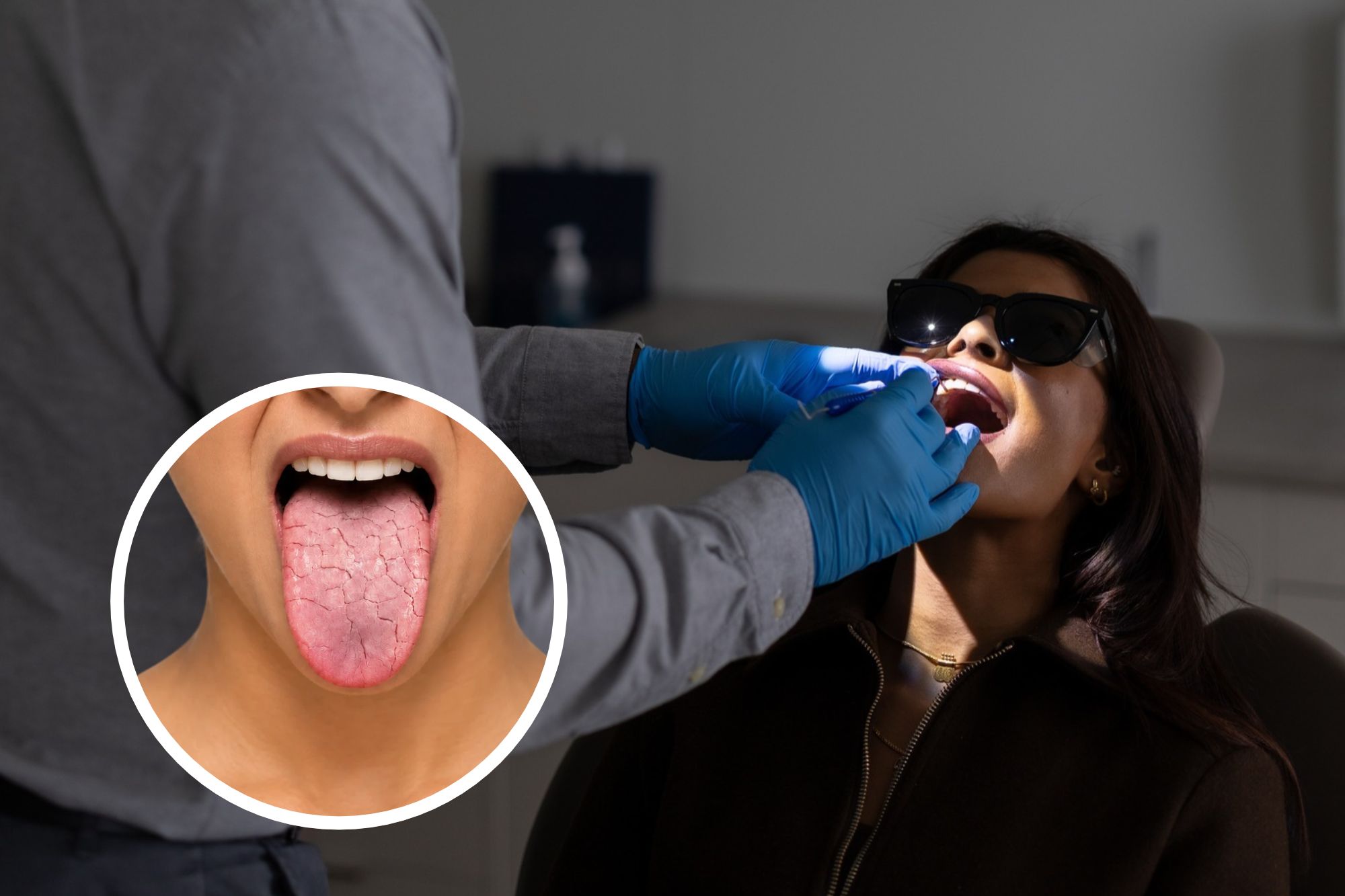
That dry, sticky feeling in your mouth is easy to brush off, maybe you haven’t had enough water today, or it’s just one of those things. But when it keeps coming back, dry mouth can start affecting more than comfort. It can quietly chip away at your oral health too. Here’s a look at what causes dry mouth, how it can affect your teeth and gums over time, what helps, and when it’s worth getting checked by a dentist in Melbourne .
What Is Dry Mouth?
Dry mouth- known clinically as xerostomia – happens when saliva production drops, leaving the mouth noticeably drier than usual. Saliva does more than you’d think: it washes away food particles, helps neutralise acid, and makes chewing and talking more comfortable.
When saliva levels fall, the mouth loses some of that natural protection. That’s really the reason persistent dry mouth deserves a second look rather than being written off.
What Causes Dry Mouth?
There’s rarely one neat explanation for dry mouth – it tends to come down to a mix of factors,
which can include:
- Certain medications, which list reduced saliva as a known side effect.
- Not drinking enough fluids.
- Mouth breathing, including while asleep.
- Smoking or tobacco use.
- Medical conditions affecting the salivary glands.
- Treatments that influence saliva production.
Because the cause differs so much from person to person, ongoing dry mouth is something worth raising with a healthcare professional rather than guessing at.
Common Dry Mouth Symptoms
Symptoms can be occasional and mild, or persistent enough to notice every day. They often include:
- A dry or sticky feeling in the mouth or throat
- Trouble chewing, swallowing or speaking comfortably
- A burning sensation on the tongue
- Cracked lips or a rough, dry tongue
- Changes in taste
- Bad breath
- Waking up with a dry mouth, especially for mouth breathers
Most people experience one of these now and then. That’s normal. It’s when they stick around that a dentist’s opinion becomes useful.
How Dry Mouth Can Affect Your Oral Health
Saliva keeps the mouth in balance, so when it’s in short supply, a few things can follow:
- A higher chance of tooth decay
- More irritation or discomfort in the mouth
- Taste changes or trouble speaking clearly
- Bad breath becoming more frequent
- Oral hygiene feeling harder to keep on top of
Not everyone with dry mouth notices all of these, and how much it affects you often comes down to the cause and how long it’s been going on.
Dry Mouth and Tooth Decay
Saliva’s job includes neutralising the acid bacteria produce and rinsing away leftover food. Less saliva means that process doesn’t work as well which is why dentists often recommend extra attention to hygiene and more regular check-ups for anyone dealing with ongoing dry mouth.
A Real-World Example
Say someone starts a new medication and, a few weeks in, notices their mouth feels dry most mornings. At their next check-up, the dentist spots a couple more small cavities than usual. Rather than treating that as a coincidence, the cosmetic dentist in Brighton VIC might flag reduced saliva as a likely contributor and suggest some hygiene adjustments without touching the medication itself, which stays a conversation for the prescribing doctor.
What Can Help Relieve Dry Mouth?
The right fix depends on what’s causing it, but a few things tend to help across the board:
- Drinking water consistently through the day.
- Keeping up with brushing and cleaning between teeth.
- Cutting back on tobacco.
- Going easy on caffeine and alcohol, which can dry things out further.
- Trying saliva-stimulating products, if a dentist recommends them.
- Sticking to regular dental check-ups.
If a prescribed medication seems to be behind the dryness, that’s a conversation for the prescribing doctor or pharmacist, not something to sort out by stopping the medication on your own.
When Should You See a Dentist?
It’s worth booking an assessment if dry mouth is sticking around, getting uncomfortable, or showing up alongside:
- Decay that keeps coming back
- Persistent bad breath
- Trouble wearing dentures comfortably
- Noticeable taste changes
- Cracks or sores in the mouth that won’t heal
A dentist can look at what’s going on, talk through possible causes, and let you know if anything further like a referral makes sense.
Also read this : Why Regular Dental Check-Ups Are the Foundation of Good Oral Health
Living Well with Dry Mouth
Dry mouth doesn’t automatically mean dental trouble down the line, but it usually calls for a bit more care-both in your daily routine and with regular professional check-ups. What actually helps comes down to what’s causing it in the first place, which is why an assessment is the most useful starting point.
Frequently Asked Questions
Q What causes dry mouth?
A- A range of things -medications, dehydration, mouth breathing, tobacco use and certain medical conditions are among the most common.
Q – Does dry mouth cause tooth decay?
A- It can raise the risk for some people, since saliva plays a protective role. A dentist can suggest hygiene steps suited to your situation.
Q- Should I stop my medication if it’s drying out my mouth?
A- No — talk to the doctor or pharmacist who prescribed it. Changing medication on your own isn’t the answer.
Q- When’s it time to see a dentist about dry mouth?
A- If it’s persistent, uncomfortable, or turning up alongside things like recurring decay or bad breath, it’s worth getting checked.
Taking the Next Step
Dry mouth is one of those things that’s easy to ignore until it isn’t. If it’s been a regular occurrence, a check-up can help work out whether it’s affecting your teeth or gums, and what you can do about it.
If you’re in Brighton VIC or around Melbourne, a general dentist in Melbourne can take a look at your oral health alongside symptoms like dry mouth or bad breath. If there’s a cosmetic concern in the mix too, a cosmetic dentist in Brighton VIC can talk you through that as part of the same conversation.
Looking for a dental clinic in Brighton VIC or one closer to home? Booking in with a dentist in Melbourne is a good first step toward sorting out dry mouth and looking after your oral health long-term.
Book Your Dental Check-Up
📞 If you are experiencing a General Dentist in Melbourne, contact Jolique on (03) 9647 2650 or visit jolique.com.au We will do our best to see you as soon as possible.
Disclaimer: This article is for general informational purposes only and does not constitute dental advice. Individual outcomes vary. Please consult a qualified dental practitioner at Jolique for advice tailored to your specific oral health needs.