
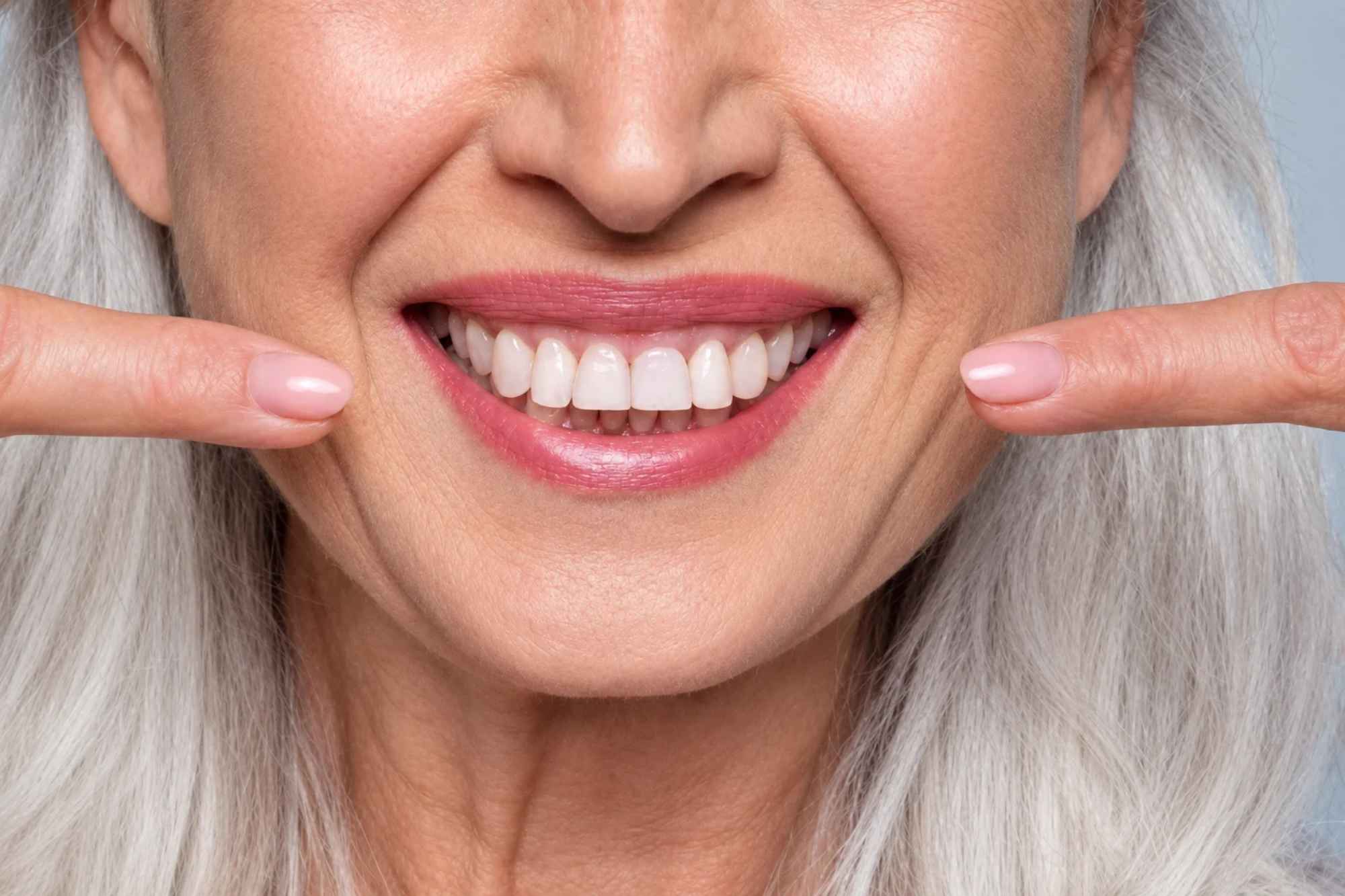
Maybe your teeth look a little more worn than they used to. Maybe your gums sit differently, or you’ve started noticing sensitivity that wasn’t there a few years back. It’s natural to wonder what’s just part of getting older, and what actually needs a dentist’s attention. This article walks through how teeth and gums tend to change with age, why losing teeth isn’t something you should just expect, and what helps keep things on track.
What Happens to Teeth as We Age?
Teeth change gradually over decades of use, but how much they change and in what way really does vary from person to person.
Tooth Wear
Decades of chewing, plus habits like grinding or a diet with a fair bit of acidic food and drink, can wear down the chewing surfaces of your teeth over time. It’s a slow process, and honestly, it usually has more to do with individual habits than age itself.
Changes in Tooth Colour
Teeth often look a bit darker or more yellow as the years go by. That’s because the enamel thins out gradually, letting the dentine underneath show through more. It’s a normal, gradual shift not a sign something’s wrong.
Increased Sensitivity
Some people find their teeth get more sensitive as they age, often linked to gum recession or wear exposing more delicate parts of the tooth. That said, sensitivity shouldn’t just get written off as “an age thing” it can also point to decay or another issue worth checking out.
How Do Gums Change with Age?
Gums shift gradually too, and telling the difference between a normal change and gum disease matters for ongoing care. Common changes include:
- Gradual gum recession, exposing more of the tooth root.
- Subtle shifts in gum colour or texture.
- A growing need to stay on top of gum care to avoid plaque build-up.
- A higher chance of periodontal disease becoming relevant, which does become more common with age for some people.
Recession and general wear are a different thing entirely from gum disease, which involves inflammation and infection and usually needs treatment. A cosmetic dentist in Brighton VIC can tell you which one you’re dealing with.
Dry Mouth and Ageing
Dry mouth shows up more often in older adults, though it’s not really ageing itself causing it. It tends to come down to things like certain medications, not drinking enough fluids, or health conditions that become more common later in life.
Since saliva plays a real role in protecting your teeth and gums, ongoing dry mouth is worth mentioning to a dentist in Melbourne especially if it’s paired with discomfort or more frequent decay.
Why Tooth Loss Isn’t Just Something That Happens with Age
There’s a common assumption that losing teeth is simply part of getting older. In reality, it’s usually tied to specific issues rather than age on its own things like:
- Decay that’s gone untreated
- Gum disease that’s progressed without treatment
- Trauma or injury
- Other dental problems left unaddressed
Regular dental care and catching things early can make a real difference here, which is exactly why check-ups matter just as much later in life as they did earlier.
Existing Dental Work May Need the Odd Check-In
Fillings, crowns, bridges, dentures and implants don’t just stop working as you age but their condition can shift over time, and that’s worth keeping an eye on. Regular visits let a dentist check whether everything’s holding up or whether something needs a bit of attention.
A Real-World Example
Picture someone who’s had the same crown for years without any trouble. At a routine check-up, the dentist spots some early wear starting around its edge. Catching that during a scheduled visit rather than after it becomes a problem usually means a much simpler fix.
How to Maintain Oral Health as You Age
Keeping your mouth healthy long-term really comes down to a few consistent habits, backed up by regular professional care:
- Brushing twice daily with fluoride toothpaste.
- Cleaning between your teeth every day.
- Keeping up with regular dental check-ups.
- Paying attention to any gum bleeding or recession.
- Getting persistent dry mouth checked out.
- Eating well and staying hydrated.
- Mentioning any changes in sensitivity, discomfort or chewing straight away.
Preventive dental care for seniors really just builds on these same basics, tailored where needed to your own history and any existing dental work.
When Should Older Adults See a Dentist?
A few signs are worth raising with a dentist rather than waiting for your next scheduled visit:
- Tooth pain that won’t go away.
- Bleeding or swollen gums.
- New or worsening sensitivity.
- Loose teeth.
- Trouble chewing.
- Dry mouth that sticks around.
- Changes in existing fillings, crowns or dentures.
- Mouth sores that don’t heal within a reasonable time.
Getting these looked at early tends to make things easier to manage.
Frequently Asked Questions
Q- What happens to your teeth and gums as you age?
A- Things like gradual wear, colour changes, gum recession and increased sensitivity are common, though everyone’s experience is a bit different.
Q- Is losing teeth just part of getting older?
A- Not really, it’s usually linked to specific issues like untreated decay or gum disease, rather than age on its own.
Q- Why does dry mouth get more common as people get older?
A- It’s often down to medications or health conditions rather than ageing itself, and it’s worth mentioning to a dentist if it sticks around.
Q- Do older adults need a different approach to dental care?
A- The basics stay the same, though a dentist might suggest a few adjustments based on your history or any existing dental work.
Also read this: Gum Maintenance Visits: What’s Different About Them?
Taking the Next Step
Changes in your teeth and gums over time are completely normal but that doesn’t mean every change should just be left alone. Regular dental care helps tell the difference between what’s expected and what’s worth a closer look, supporting your oral health well into later life.
If you’re an older adult in Brighton VIC or around Melbourne, a general dentist in Melbourne can check in on your teeth, gums and any existing dental work as part of routine care. If there’s a cosmetic concern you’d like to raise too, a cosmetic dentist in Brighton VIC can talk through suitable options alongside your general oral health needs.
Whether you’re after a dental clinic in Brighton VIC or one closer to home, booking a consultation with a dentist in Melbourne is a practical step toward looking after your smile at any age.
Book Your Dental Check-Up
📞 If you are experiencing a General Dentist in Melbourne, contact Jolique on (03) 9647 2650 or visit jolique.com.au We will do our best to see you as soon as possible.
Disclaimer: This article is for general informational purposes only and does not constitute dental advice. Individual outcomes vary. Please consult a qualified dental practitioner at Jolique for advice tailored to your specific oral health needs.