
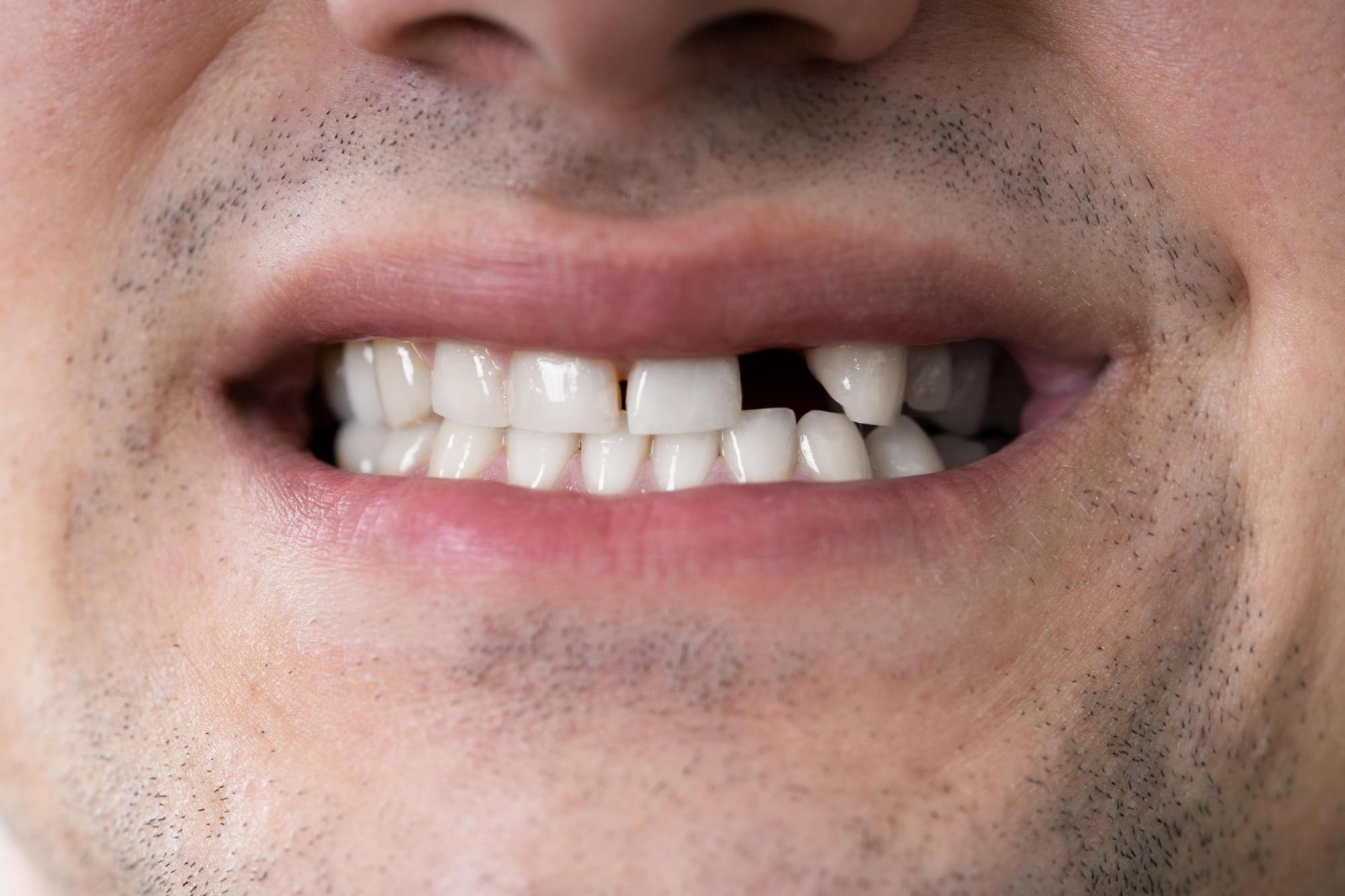
Maybe you lost it years ago and learned to live around it. Maybe a tooth came out recently, and you are weighing up whether it is worth replacing. Either way, the gap sits there, and you have probably told yourself it is no big deal. It is at the back, after all. Nobody sees it. But a single missing tooth tends to do more than leave a space, and the longer it stays empty, the more it can quietly ask of the teeth around it.
It is an easy thing to deprioritise. There is no constant pain, no obvious emergency, and you have adapted your chewing without really noticing. That is exactly why so many people leave a single gap for years, and why it is worth understanding what is happening in the background while you wait.
Why People Put It Off
The reasons are completely understandable. A back tooth is out of sight, so it feels cosmetic to fix. There is rarely any pain once the area has healed. And replacing a tooth costs time and money, so it slides down the list. None of that is unreasonable. The catch is that a gap does not stay a simple gap. It slowly sets other changes in motion, and those changes can make treatment more involved later on.
What a Single Gap Quietly Sets in Motion
Your teeth work as a team, each one supported by its neighbours and by the tooth it bites against. Take one away, and the others slowly start to compensate:
- The teeth on either side of the gap begin to lean into the space.
- The tooth above or below can start to drift out of its socket, looking for something to bite against.
- As teeth shift, your bite changes, and cleaning between newly crowded teeth gets harder.
- Harder-to-clean areas are more prone to decay and gum problems.
- The jawbone where the tooth used to be slowly loses volume because nothing is stimulating it anymore.
None of this happens overnight, which is exactly why it is easy to ignore, and exactly why catching it early gives you more and simpler options.
Filling the Gap: Your Main Options
1 Dental Implant
A dental implant replaces both the root and the crown of the missing tooth. A small titanium post is placed in the jaw, and once it has settled, a custom crown is fixed on top. It stands on its own, so the neighbouring teeth are left untouched. Because it replaces the root too, it also helps keep the jawbone working and supported, which a denture or bridge does not do in the same way. Speak to a trusted dentist, or search online for “same-day dental implants” or “dental implants in Melbourne” to find a nearby clinic and discuss your treatment options.
2 Bridge
A bridge fills the gap by anchoring a replacement tooth to the teeth on either side. It can be a good fit in certain situations, especially where the neighbouring teeth would benefit from crowns anyway, and it is often quicker than the implant process. The trade-off is that it relies on those neighbouring teeth, so they need to be healthy and prepared. Your dentist can explain where a bridge makes sense and where an implant may serve you better in the long run. If you need advice, speak with a local dentist or search for terms like “dentist in Melbourne” or “dental clinic in Melbourne” to find a nearby clinic and discuss the most suitable treatment option.
3 Partial Denture
A removable partial denture is another way to fill one or more gaps, and it can be a sensible interim or budget-conscious option. It is taken out for cleaning and tends to be less stable than fixed options, but for some people, it is the right balance of cost and function. As always, it comes down to your particular mouth and priorities.
What If You Do Nothing?
Doing nothing is a valid choice in some cases, particularly for certain back teeth, and your dentist will tell you honestly when leaving a gap is reasonable. The point is to make that choice knowingly, after understanding the drifting, bite changes, and bone loss that can follow, rather than by default because the years slipped by.
What the Process Usually Involves
If you do decide on an implant, it helps to know what to expect, because the unknown is often what puts people off. The process happens in stages over several months.
It generally starts with an assessment and scans, then the small post is placed into the jaw, usually under local anaesthetic. After that comes a healing period while the implant settles and fuses with the bone, which commonly takes a few months. Once it is stable, a custom crown is made and fixed on top. Your dentist maps out the timeline for your case, since healing varies from person to person, and explains each step before it happens. You can read more about how dental implants work and what is involved before you commit to anything.
Caring for a Replacement Tooth
A replacement tooth asks for the same care as a natural one, and in some cases, a little more. The good news is that the routine is simple:
- Brush twice a day and clean around the replacement and along the gum line.
- Clean between your teeth daily, including around an implant or bridge.
- Keep up regular check-ups so your dentist can make sure everything stays healthy.
Looked after well, a quality replacement can serve you for many years. The exact lifespan depends on your individual circumstances and care, which your dentist will talk through honestly rather than making promises.
Your First Step
There is no single right answer for everyone. The best choice depends on the health of your gums and jaw, the teeth around the gap, and what suits your life and budget. A short general dental consultation gives you a clear, honest read on which option fits you, with X-rays to check the bone and a straightforward conversation about cost and timing. There is no pressure to decide on the spot, and you are welcome to take the information home and weigh it up.
A gap may seem harmless today. Replacing it thoughtfully is almost always simpler than untangling the shifting, crowding, and bone loss that can build up if it is left for years. The sooner you understand your options, the more of them you tend to have.
Wondering whether to fill that gap? Have a chat with the Jolique team in Brighton, VIC on (03)96472650, or book a consultation at Jolique.
Book Your Dental Check-Up
📞 If you are experiencing a Dental Implants in Melbourne, contact Jolique on (03) 9647 2650 or visit jolique.com.au We will do our best to see you as soon as possible.
Disclaimer: This article is for general informational purposes only and does not constitute dental advice. Individual outcomes vary. Please consult a qualified dental practitioner at Jolique for advice tailored to your specific oral health needs.