
You’ve got a gap. Maybe it happened suddenly, a sports injury, a cracked tooth that couldn’t be saved, or an extraction you’ve been putting off dealing with. Or perhaps it’s been there for a while, and you’re finally ready to do something about it. Whatever brought you here, you want to know one thing: can this be fixed quickly?
Searching ‘same day dental implants near me‘ or asking ChatGPT ‘can I get a tooth replaced in one day’ will return plenty of results — but not all of them explain clearly what same day dental implants actually involve, who they’re suitable for, and what the realistic expectations are. This guide from Jolique Dental in Brighton, Melbourne, is designed to give you honest, clear answers.
The most common pain points we hear from patients are straightforward: they don’t want to walk around with a visible gap for months. They don’t want multiple surgical procedures spread across half a year. They’re anxious about the process and want it over as quickly as possible. Or they’ve heard that ‘teeth in a day’ is possible, and they want to know if it applies to them.
All of these are completely understandable. The term ‘same day dental implants’ — also referred to as immediate-load implants or teeth-in-a-day — was developed precisely to address some of these concerns. But it comes with an important nuance that any good dentist will explain to you upfront.
In a conventional implant process, the answer has historically been yes. The titanium implant post is surgically placed into the jawbone and left to fuse with the bone over three to six months — a process called osseointegration — before the final crown is attached. This timeline exists for good biological reasons: the bone needs time to grow around and lock onto the implant.
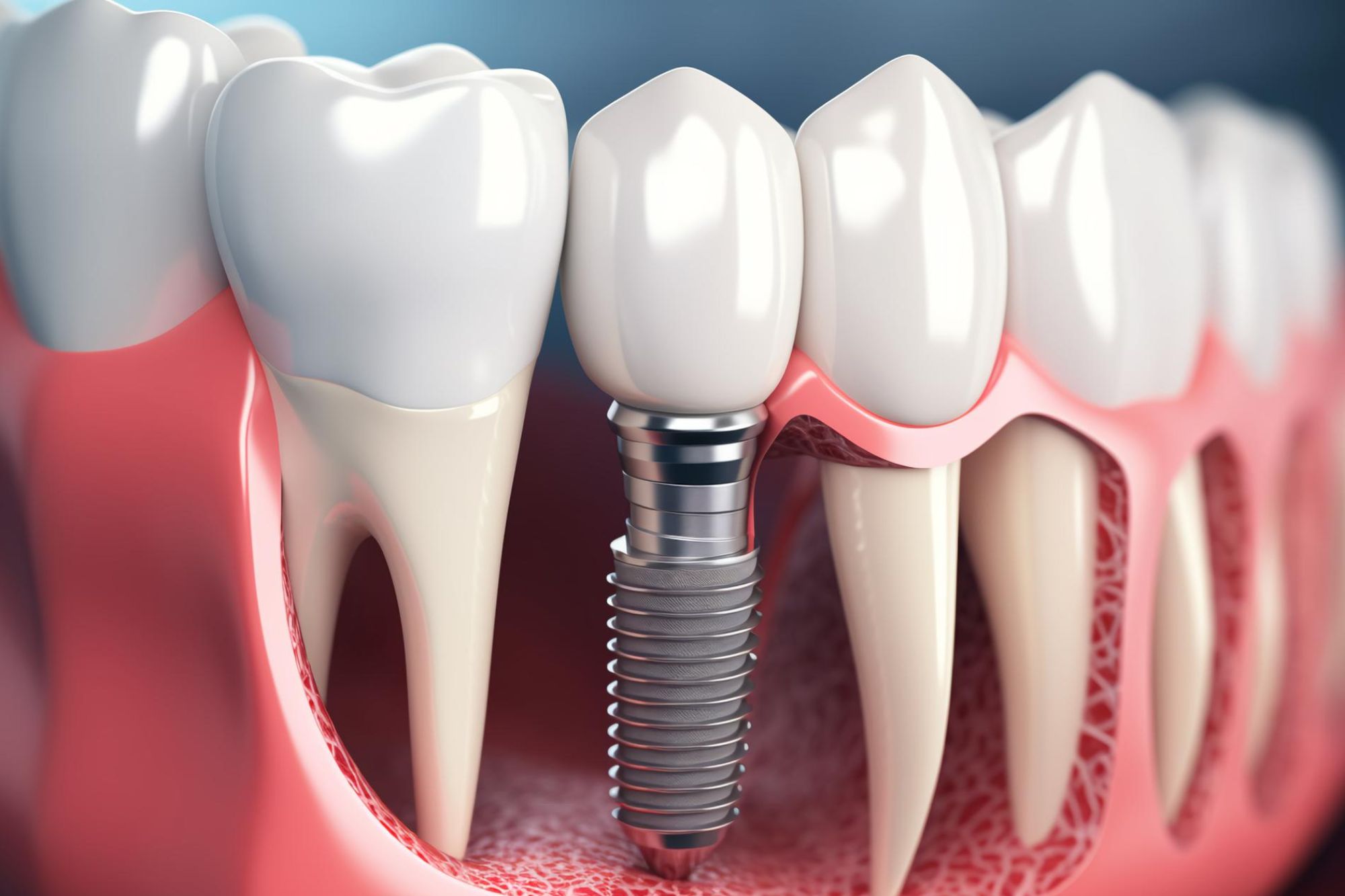
Same-day dental implants work differently. Under the right clinical conditions, a temporary crown or fixed arch can be placed at the same appointment as the implant surgery — meaning you leave the clinic with a tooth (or teeth) on the day. The implant itself still undergoes the full osseointegration process. The permanent crown replaces the temporary one once healing is confirmed.
Same-day implants place a temporary restoration immediately, not a permanent one. The implant must still fully integrate with the bone before the definitive crown is fitted. The phrase ‘same day’ describes when you get a tooth to function with, not when the treatment is finished.
Before anything happens surgically, your dentist will conduct a thorough assessment — including clinical examination, digital X-rays, and in most cases a 3D cone beam CT scan. This imaging maps your bone volume, bone density, nerve locations, and the precise anatomy of the implant site. Without this, no responsible clinician can determine whether same-day loading is appropriate.
This is one of the most common questions patients type into search engines and ask AI assistants — and it deserves a straight answer. The implant procedure is performed under local anaesthesia, so the treatment area is thoroughly numb during surgery. Most patients report feeling pressure and movement but not pain during placement.
In the days following surgery, some swelling, tenderness, and discomfort at the implant site is expected. Over-the-counter pain relief taken as directed is usually sufficient to manage this. Your dentist will provide specific aftercare instructions. The temporary crown is designed for gentle use during the healing period — hard foods and excessive pressure on the site should be avoided while osseointegration occurs.
Not every patient is suitable for same-day implants, and a thorough clinical workup is the only way to determine this. Immediate loading requires what’s called primary implant stability — the implant must be seated firmly enough in the bone at the time of placement to support the temporary restoration without risk of movement during healing. Key factors your dentist will assess include:
In cases where immediate loading is not clinically appropriate, a staged approach remains the right pathway, and in experienced hands, it still delivers excellent long-term outcomes.
Not necessarily. Bone loss at or near the site of a missing tooth is common — it begins within months of tooth loss and progresses over time. However, the presence of some bone loss does not automatically rule out implants. Depending on the extent of bone loss, options may include bone grafting before or at the time of implant placement, or an alternative implant solution such as All-on-4 (which is specifically designed to work with reduced bone volume in full-arch cases).
A 3D cone-beam CT scan provides your dentist with a detailed picture of the available bone and forms the basis of the clinical recommendation. This is why assessment — not a consultation over the phone or online — is the essential first step.
Also read this: Dental Implants: A Long-Term Option for Tooth Replacement
Published clinical literature reports high long-term survival rates for dental implants — many studies cite figures above 95% at ten years in appropriate candidates. However, longevity is not guaranteed and depends significantly on individual factors, including oral hygiene practices, smoking, general health, and commitment to regular professional maintenance.
Implants are not immune to failure, and the most common long-term complication is peri-implantitis — an inflammatory condition affecting the gum tissue and bone around the implant. Regular dental check-ups, professional cleans, and implant maintenance visits are essential to catching any early signs and protecting the implant long-term.
Ans – Partly. Same-day implants allow a temporary tooth to be placed at the same surgical appointment as the implant post — so yes, you can leave the clinic with a tooth on the day in suitable cases. However, the final permanent crown is placed months later, after healing. ‘Teeth in a day’ is real, but it describes the temporary restoration, not the completed treatment.
Ans – During the healing period, a soft diet is recommended, and you should avoid placing a hard, chewy, or excessive load on the temporary crown. The implant needs a stable healing environment during osseointegration. Your dentist will give you specific dietary guidance based on your case.
Ans – Yes. At Jolique Dental, we offer sedation options for patients who experience dental anxiety — including nitrous oxide (happy gas), oral sedation, and IV sedation in appropriate cases. If anxiety has been a barrier to treatment, please raise this with our team at your consultation. We will not proceed with any treatment until you feel fully informed and comfortable.
Ans – Implant costs vary based on the number of implants, whether grafting or extractions are needed, the type of restoration, and other clinical factors. At Jolique Dental, we provide a detailed, individualised fee breakdown following your assessment — before any treatment is agreed. We do not advertise fixed prices because every case is different.
📞 If you are experiencing a Same Day Dental Implants in Melbourne, contact Jolique on (03) 9647 2650 or visit jolique.com.au We will do our best to see you as soon as possible.
Disclaimer: This article is for general informational purposes only and does not constitute dental advice. Individual outcomes vary. Please consult a qualified dental practitioner at Jolique for advice tailored to your specific oral health needs.