
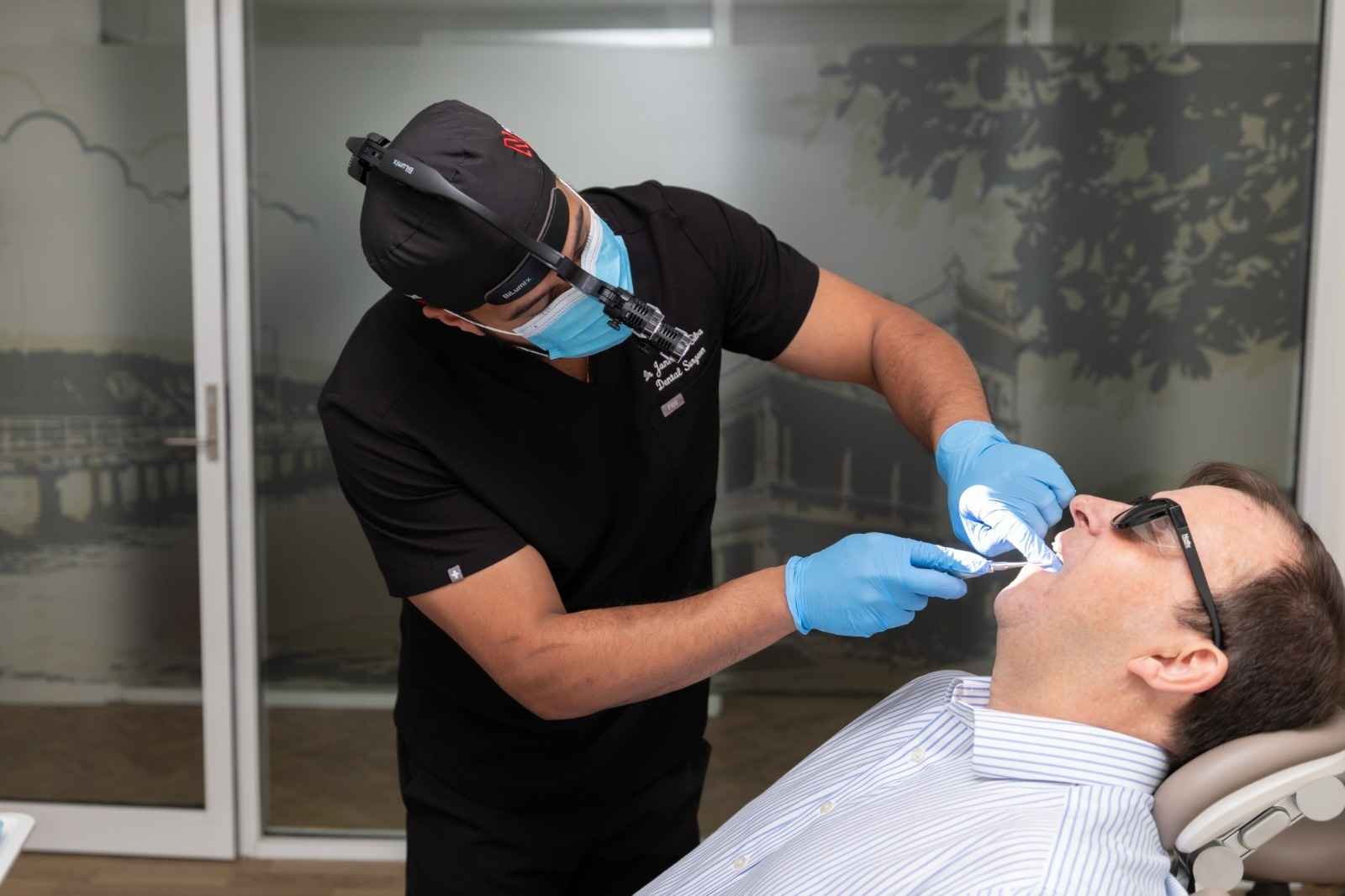
Missing a tooth can affect more than the appearance of a smile. Depending on its location and a person’s individual circumstances, it may also influence chewing comfort, speech or confidence in everyday situations. Dental implants in Melbourne are one option for replacing missing teeth, but suitability and treatment requirements vary between patients. This article outlines what dental implants involve, how single and full mouth dental implants differ, and what the treatment journey typically looks like.
What Are Dental Implants?
A dental implant generally consists of three components: an implant fixture placed to support a restoration, an abutment connecting the fixture to the visible restoration, and a crown, bridge or denture attached on top. Together, these parts are designed to provide a fixed option for replacing one or more missing teeth.
Same day dental implants may be discussed in some cases, where clinical circumstances allow a temporary restoration to be placed sooner. Whether this approach is appropriate depends entirely on an individual assessment, including gum health, bone availability and the patient’s broader dental history.
When Are Dental Implants Considered?
A dentist typically considers several factors before recommending implant treatment, including:
- Number and location of missing teeth
- Condition of the gums and surrounding bone
- Presence of existing teeth or restorations
- General health and medical history
- The patient’s individual treatment goals
This assessment process applies whether a patient is considering a single implant or exploring full mouth dental implants.
Single Dental Implants for One Missing Tooth
A patient missing one tooth may be assessed for an implant-supported crown, with the condition of neighbouring teeth and gum tissue considered as part of treatment planning. This option is not automatically preferable to alternatives such as a bridge — the most suitable choice depends on the individual’s oral health and preferences, discussed during consultation.
Full Mouth Dental Implants for Extensive Tooth Loss
Where a patient has lost most or all of their teeth in an arch, full mouth dental implants — sometimes involving an all on 4 dental implants in Melbourne approach — may be considered. This generally involves a smaller number of implants supporting a full arch restoration, though the number and placement of implants depend on the patient’s bone structure and overall treatment plan. Suitability for this approach is determined only after thorough clinical assessment.
Supporting Oral Function and Considering Aesthetics
Dental implants are generally intended to support day-to-day oral function, including chewing and, where relevant, speech. Restorations are also planned with consideration given to tooth shape, colour and position relative to neighbouring teeth. Outcomes can vary between patients, and results depend on individual healing, oral hygiene and ongoing care.
The Dental Implant Treatment Journey
Understanding what happens after an initial enquiry can help patients feel more prepared. A general treatment journey may include:
- Initial consultation – discussing the patient’s concerns, goals and dental history
- Clinical assessment – examining teeth, gums and relevant anatomical factors, which may include imaging
- Treatment planning – outlining suitable options and the expected stages involved
- Implant placement – the implant is positioned where clinically appropriate
- Healing and integration – allowing appropriate time before proceeding to restoration
- Restoration – attaching a crown, bridge or denture depending on the treatment plan
- Ongoing maintenance – regular check-ups and good oral hygiene practices
How Long Does Treatment Take?
Treatment duration varies depending on healing time, the number of implants involved, the need for any additional procedures and each patient’s individual clinical circumstances. A Dentist in Brighton VIC can provide a more specific estimate once an assessment has taken place.
Also read this : Same Day Dental Implants in Melbourne: What to Know
Caring for Dental Implants
Maintaining an implant-supported restoration generally involves the following:
- Brushing and interdental cleaning as recommended by a dentist
- Attending regular dental examinations
- Seeking professional maintenance where advised
- Addressing any gum concerns promptly
Are Dental Implants Suitable for Everyone?
Dental implants are not automatically suitable for every patient. Factors such as bone density, gum health, existing medical conditions and personal circumstances all play a role in determining whether implant treatment is an appropriate option. A consultation with a dentist is required to discuss individual suitability.
Frequently Asked Questions
What is a dental implant?
A dental implant is a fixture placed to support a restoration such as a crown, bridge or denture, used to replace one or more missing teeth.
Can one implant replace one missing tooth?
In some cases, a single implant-supported crown may be considered appropriate, subject to assessment.
What are full mouth dental implants?
This generally refers to an approach where implants support a full arch restoration for patients with extensive tooth loss, such as an all on 4 dental implants technique.
How long does treatment take?
Treatment duration depends on individual healing and clinical requirements, and varies between patients.
Are dental implants permanent?
Dental implants are considered a long-term tooth replacement option; long-term outcomes depend on individual care, oral health and regular maintenance.
Taking the Next Step
Replacing a missing tooth or several is rarely a one-size-fits-all decision. The right approach depends on an individual’s oral health, goals and clinical circumstances, which is why a thorough consultation remains the appropriate starting point.
For those exploring dental implants in Melbourne or considering an all on 4 dental implants approach in Brighton VIC, booking a consultation with a dentist in Brighton VIC is a practical first step. Visit a dental clinic in Melbourne such as Jolique to discuss suitable options based on individual assessment.
Book Your Dental Check-Up
📞 If you are experiencing a Dental Implant in Melbourne, contact Jolique on (03) 9647 2650 or visit jolique.com.au We will do our best to see you as soon as possible.
Disclaimer: This article is for general informational purposes only and does not constitute dental advice. Individual outcomes vary. Please consult a qualified dental practitioner at Jolique for advice tailored to your specific oral health needs.